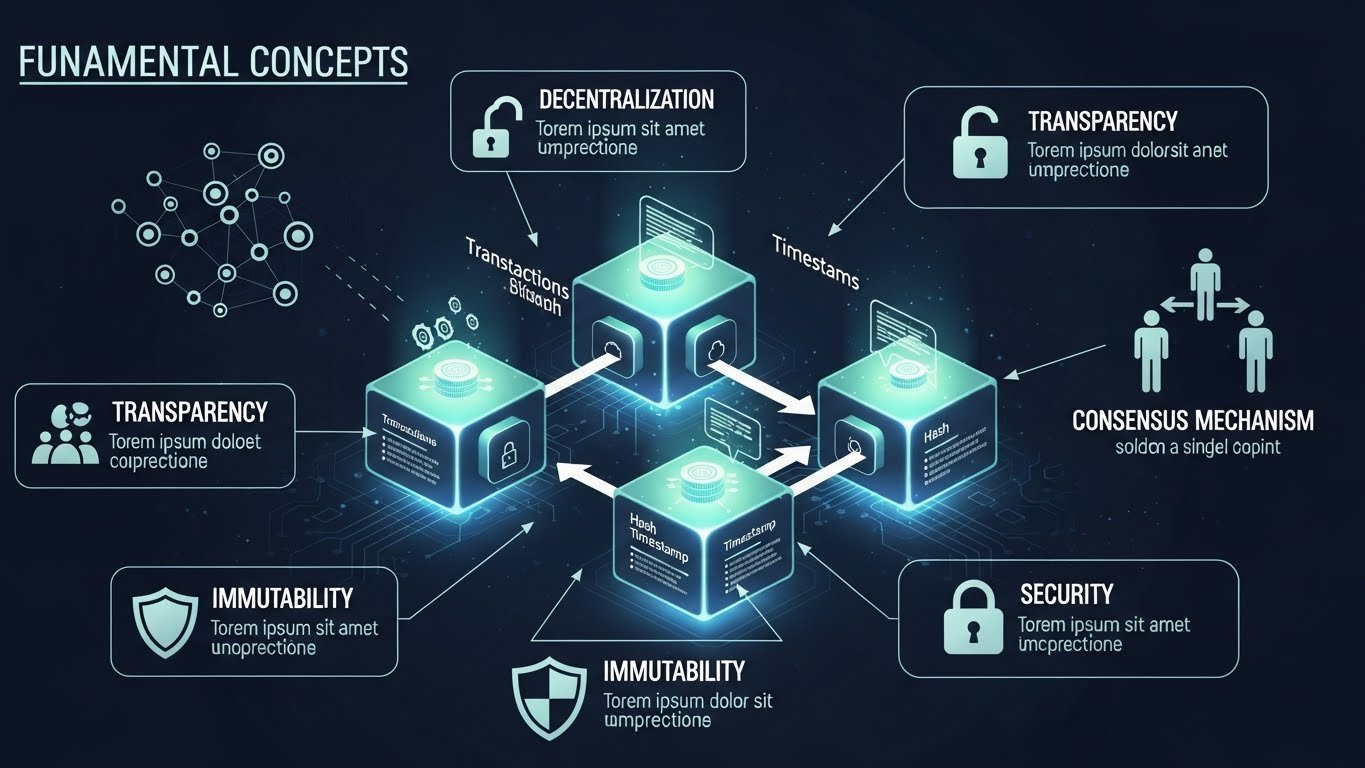
In the fast-evolving world of digital assets, few voices are as closely watched as Hester Peirce, the U.S. Securities and Exchange Commission (SEC) commissioner widely known as “Crypto Mom.” In recent speeches, Peirce has gone beyond cautious acknowledgment of digital assets and delivered a clear, principled defense of crypto self-custody and financial privacy. She has argued that individuals should be able to hold and control their own digital assets without being forced into intermediated systems that expose them to surveillance and unnecessary risk.
Her comments come at a pivotal moment. The SEC has formed a new Crypto Task Force led by Peirce and is reshaping how it treats digital assets, aiming to move away from a purely enforcement-driven model toward clearer rules and tailored guidance. At the same time, the agency’s roadmap for 2026 sends mixed signals. On one hand, the SEC’s latest examination priorities for the 2026 fiscal year drop any dedicated section on crypto, suggesting digital assets are no longer viewed as an emergency risk category. On the other hand, its rulemaking agenda still targets new regulations on transfer agents, crypto custody, and crypto market structure by April 2026.
This tension between rhetoric and rulemaking is precisely why Hester Peirce’s insistence that self-custody is a fundamental right matters so much. As the SEC maps out its 2026 plans, her speeches are shaping the debate over whether crypto will evolve into a heavily intermediated, bank-like system or remain open to non-custodial wallets, decentralized protocols, and privacy-preserving technologies.
In this article, we will explore who Hester Peirce is, what she means by crypto self-custody as a right, how the SEC’s 2026 agenda may reshape digital asset rules, and what all of this means for investors, developers, and the future of SEC crypto regulation.
Who Is Hester Peirce And Why She Matters To Crypto
From “Crypto Mom” To Policy Architect
Hester Peirce earned the nickname “Crypto Mom” because she consistently challenged the SEC’s historically aggressive posture toward digital assets. For years, she criticized “regulation by enforcement” and pushed for clear, predictable rules that allow legitimate projects to operate without fear of surprise lawsuits.
Under the current, more crypto-friendly SEC leadership, Peirce has moved from being a frequent dissenter to a central architect of evolving policy. She now leads the Commission’s new Crypto Task Force, whose mandate is to craft a workable framework for token offerings, crypto trading platforms, and custody solutions. For the crypto industry, that shift is significant. It means that a commissioner who genuinely understands blockchain technology, DeFi, and open-source development is now directly influencing how federal rules around digital assets will look going into 2026 and beyond.
A Philosophy Of Innovation And Individual Rights
What sets Hester Peirce apart is not only her technical grasp of blockchain but also her deeper philosophy. In recent speeches on financial privacy and digital assets, she has argued that people should be able to control their own money, data, and communication without becoming permanently dependent on intermediaries.
She has emphasized three recurring themes. First, innovation should not be smothered by outdated laws written for a different era. Second, financial privacy is part of a broader civil liberties framework, not an indulgence. Third, the right to self-custody digital assets is an extension of the basic right to hold and move one’s property without constant oversight. This is why her assertion that crypto self-custody is a fundamental right resonates so strongly. It connects the technical details of wallets and keys to the larger question of who ultimately controls value in the digital age.
Self-Custody As A Fundamental Right

What Peirce Actually Said About Self-Custody
In an August 2025 appearance at the Science of Blockchain Conference, Hester Peirce explicitly urged regulators to “safeguard the right of individuals to self-custody their crypto assets” and to embrace privacy-protecting technologies like non-custodial wallets. Her remarks framed self-custody as more than a technical feature; she treated it as a core user right that should be preserved, not slowly regulated out of existence.
Other coverage of her speeches on financial privacy reinforces this message. She highlighted the danger of building a financial system where every transaction flows through centralized intermediaries, explaining that this kind of arrangement magnifies surveillance and undermines basic freedoms.
Why Self-Custody Matters For Freedom And Security
At a practical level, crypto self-custody means holding your own private keys, usually through software wallets, hardware devices, or other non-custodial tools. The key idea is simple: if you control the keys, you control the assets. If someone else controls the keys, they ultimately control the assets on your behalf.
For Hester Peirce, this distinction is not just technical. It goes to the heart of who owns what in the digital economy. If regulators only allow crypto to exist inside large custodial platforms and banks, everyday users become permanently dependent on these institutions. That dependence introduces counterparty risk, censorship risk, and surveillance risk, even when those platforms are well-intentioned.
Self-custody, by contrast, makes it possible for individuals to transact directly on public blockchains, to participate in decentralized finance, and to store value without relying on a gatekeeper. It does not eliminate risk—users can still lose keys or fall for scams—but it restores a degree of personal control that closely echoes holding physical cash or gold.
Peirce’s stance is that SEC crypto regulation should protect investors without stripping away this fundamental capability. The challenge, of course, is how to balance self-custody with anti-money-laundering obligations, consumer protection, and systemic risk concerns.
The SEC’s Evolving Stance On Crypto Heading Into 2026
The Crypto Task Force And A Move Beyond Pure Enforcement
For much of the previous decade, the SEC’s primary approach to digital assets was enforcement. Many projects were told, often after the fact, that their tokens were unregistered securities. Exchanges and platforms were warned that they might be operating unregistered securities markets, even when rules were unclear.
The creation of a new Crypto Task Force marked a turning point. Announced earlier in 2025, the task force is explicitly tasked with building a coherent regulatory framework for digital assets, and Hester Peirce was chosen to lead it. The group’s mandate includes providing clearer registration paths, more tailored disclosure rules, and better coordination with other regulators.
This initiative reflects a recognition that the old “sue first, clarify later” model is not sustainable. It also gives Peirce a platform from which to advocate for self-custody-friendly rules, sandboxes, and flexible compliance options.
2026 Examination Priorities: Crypto De-Emphasized, Custody Elevated
In late 2025, the SEC’s Division of Examinations released its examination priorities for the 2026 fiscal year. Unlike previous years, the document does not include a dedicated section on cryptocurrency activities. Instead, it focuses on traditional themes like fiduciary duty, conflicts of interest, custody of client assets, AI-related risks, and cybersecurity, mentioning digital assets only in passing, if at all.
This move has been widely interpreted as a signal that crypto is no longer being treated as a special emergency category that warrants its own spotlight. Rather, it is being integrated into the broader regulatory fabric. For the digital asset industry, this is a double-edged development. On the positive side, it suggests less hostile scrutiny. On the more cautious side, it means that crypto will be woven into general rules around asset custody, record-keeping, and risk management.
Rulemaking Agenda Through April 2026: Crypto Market Structure And Custody
Alongside the exam priorities, the SEC’s official rulemaking agenda lists several projects targeted for completion or proposal by April 2026. Legal analysts have noted that this agenda includes planned rules relating to transfer agents that use distributed ledger technology, the offer and sale of crypto assets, and crypto market structure to account for trading on alternative trading systems and national securities exchanges.
In other words, even as crypto is de-emphasized in exam priorities, it remains firmly embedded in the SEC’s long-term policy planning. These planned rules could affect how tokenized securities trade, how exchanges handle on-chain assets, and what conditions registered entities must meet if they choose to offer crypto custody services.
For Hester Peirce, this is a critical window. The 2026 agenda provides a timeline within which she can push for rules that respect self-custody, recognize the role of non-custodial wallets, and avoid forcing every digital asset interaction into legacy custodial structures.
What “Crypto Self-Custody Is A Fundamental Right” Means In Practice
The Role Of Non-Custodial Wallets And Private Keys
When Hester Peirce defends crypto self-custody, she is effectively defending the legitimacy of non-custodial tools. These include hardware wallets, browser-based wallets, mobile apps, and even command-line clients that allow users to hold their own keys and sign transactions locally.
In her public remarks, she has highlighted non-custodial wallets as key to preserving financial privacy and individual autonomy, arguing that regulators should protect, not penalize, their use. She has also expressed concern that treating every wallet provider as a de facto financial institution could chill innovation and drive privacy-preserving technology underground.
Balancing Privacy, Compliance, And Innovation
Peirce’s speeches also stress that financial privacy and public safety are not mutually exclusive. She has called for updated legal frameworks that allow privacy-enhancing technologies, such as zero-knowledge proofs and advanced cryptography, to coexist with reasonable compliance obligations.
The central argument is that overreliance on the “third-party doctrine,” where people lose privacy as soon as they share data with intermediaries, does not fit a world where digital transactions are ubiquitous. She contends that it is possible to design systems where users keep control over their data and assets, while still giving law enforcement targeted tools to pursue genuinely harmful actors.
In practical terms, treating crypto self-custody as a right would encourage the SEC and other agencies to support privacy-preserving infrastructure instead of pushing everything toward centralized custodial platforms with full surveillance capabilities. The regulatory challenge is to distinguish between tools that enable mainstream financial freedom and tools specifically designed to facilitate crime. Peirce’s view is that regulators should avoid blanket bans and instead craft nuanced rules.
How The SEC’s 2026 Plans Could Reshape Crypto Custody
Mainstream Custody Services And Institutional Adoption
As the SEC refines its custody rules and priorities, traditional financial institutions are preparing to expand their digital asset offerings. Major banks have already announced or signaled plans to roll out crypto custody services, often targeting 2026 as a key milestone. One large U.S. bank, for example, has publicized a 2026 initiative to provide secure crypto custody using an in-house platform, reflecting confidence in a more stable, predictable regulatory environment.
In this context, Hester Peirce’s insistence on self-custody rights is vital. If regulations around institutional custody become the de facto template for all crypto activity, there is a risk that smaller users and developers will be squeezed into models meant for giant banks. A balanced approach would allow professional custody for those who want it, while leaving room for transparent, well-designed non-custodial solutions.
Implications For Exchanges, DeFi, And Wallet Providers
The SEC’s 2026 agenda also touches on crypto market structure, including how trading platforms, tokenized securities, and alternative trading systems should handle on-chain assets. These rules could determine whether exchanges are required to hold custody of user funds, or whether they can operate with hybrid or non-custodial models where users retain control of their keys.
For centralized exchanges, increased clarity on custody standards may reduce legal risk but also impose stricter operational requirements. For DeFi protocols, the stakes are different. Many decentralized platforms never take custody of user assets in the traditional sense. Instead, users interact directly with smart contracts from their own wallets. Whether, and how, these arrangements fall under SEC jurisdiction will be a major debate heading into 2026.
Wallet providers, especially open-source non-custodial projects, are watching closely. If the SEC takes Hester Peirce’s perspective seriously, it may draw a clearer line between building tools for self-custody and running a regulated financial intermediary. If not, developers could face new registration burdens or legal uncertainties that discourage innovation.
What This Means For Investors, Builders, And Policy Debates
For Retail Investors: Empowerment With Responsibility
For everyday users, Hester Peirce’s message is empowering but also demanding. If crypto self-custody is treated as a right, it comes with the corresponding responsibility to manage keys, understand basic security, and recognize that blockchain transactions are final. Self-custody allows investors to avoid counterparty failures, unexpected account freezes, and arbitrary deplatforming. It also gives them direct access to decentralized finance tools, on-chain governance, and global peer-to-peer payments. But it does not provide a safety net if they lose their seed phrase or sign a malicious transaction.
The SEC’s evolving stance, influenced by Peirce’s advocacy, suggests a future where investors can choose between full self-custody, shared custody, or traditional custodial services, depending on their risk tolerance and technical comfort.
For Developers And Businesses: Compliance By Design
For developers, the SEC’s 2026 plans raise both opportunities and challenges. Clarity around what constitutes a security, how tokens can be offered, and how custody is defined can make it easier to launch compliant products. Peirce has long advocated for safe harbor frameworks and sandboxes that let teams develop networks before being forced into full registration regimes.
At the same time, businesses will need to bake compliance by design into their products. That may mean integrating optional disclosure tools, building audit-friendly architectures, or designing privacy features that can coexist with lawful access mechanisms. Projects focused on privacy-preserving technologies like zero-knowledge proofs are particularly impacted, since Peirce has explicitly argued that such technologies should be embraced, not reflexively restricted. If the SEC leans into her vision, the result could be a more sophisticated ecosystem where user rights and regulatory requirements are reconciled through smart engineering rather than blunt prohibitions.
For Global Regulation: The U.S. As A Signaling Power
Finally, the SEC’s approach matters beyond U.S. borders. Many jurisdictions look to American agencies when designing their own rules for crypto regulation, custody standards, and market structure. Hester Peirce’s insistence on protecting self-custody, financial privacy, and innovation-friendly frameworks helps set a precedent that other regulators can reference when resisting calls for overly restrictive measures.
If the SEC’s 2026 rules reflect her principles, we may see more global regulators accept non-custodial wallets, encourage open-source protocols, and experiment with constructive engagement instead of blanket bans. If the rules ignore her warnings and lean heavily toward centralization, that too will send a strong signal.
Conclusion
Hester Peirce’s declaration that crypto self-custody is a fundamental right is more than a catchy slogan. It is a constitutional-style statement about who should control value and information in the digital era. By defending non-custodial wallets, financial privacy, and open-source innovation, she is pushing the SEC to recognize that user rights do not disappear just because money moves onto blockchains.
At the same time, the SEC’s 2026 plans show that the agency is far from done with digital assets. While exam priorities no longer single out crypto as a special risk category, the rulemaking agenda still targets transfer agents using distributed ledgers, crypto custody, and market structure reforms.
The outcome of this tension will help determine whether the next phase of crypto looks more like a digitized version of the old financial system or a genuinely new paradigm where individuals can securely hold and move assets on their own terms.
For now, one thing is clear. As 2026 approaches, Hester Peirce will remain a central figure in debates over crypto self-custody, SEC policy, and the balance between innovation and investor protection. Whether you are an investor, a builder, or simply a curious observer, her arguments are worth understanding, because they will shape the rules that govern digital finance for years to come.
FAQs
Q: What does Hester Peirce mean by crypto self-custody being a fundamental right?
When Hester Peirce describes crypto self-custody as a fundamental right, she is arguing that individuals should be able to hold and control their own digital assets without being forced to rely on custodial intermediaries. In her view, controlling your own private keys is an extension of controlling your own property and finances. This right includes the freedom to use non-custodial wallets, transact directly on public blockchains, and choose how to balance convenience, privacy, and security in managing your assets.
Q: How do the SEC’s 2026 plans affect crypto self-custody?
The SEC’s 2026 agenda focuses on custody rules, transfer agents using distributed ledger technology, and crypto market structure. These rules will primarily govern how regulated firms, such as banks, broker-dealers, and investment advisers, hold digital assets. While they do not directly outlaw self-custody, poorly designed rules could indirectly pressure users toward custodial solutions. Hester Peirce’s role is to ensure that as these regulations are drafted, they explicitly respect the legitimacy of self-custody and avoid treating all wallet activity as if it were a custodial business.
Q: Does Hester Peirce support crypto regulation, or is she against it?
Hester Peirce is not opposed to regulation; she is opposed to unclear and overly punitive regulation. She supports SEC crypto regulation that gives honest projects a clear path to compliance while still protecting investors. Her speeches emphasize the need for transparent guidelines, safe harbors, and regulatory sandboxes instead of surprise enforcement actions. In simple terms, she wants rules that are firm but fair, and that do not crush innovation or strip away rights like crypto self-custody and financial privacy.
Q: What is the difference between custodial and non-custodial wallets?
A custodial wallet is one where a third party, such as an exchange or financial institution, holds your private keys and manages your assets on your behalf. You log in with a username and password, but you do not directly control the keys on the blockchain. A non-custodial wallet, by contrast, gives you direct control over your private keys. You sign transactions yourself, often using a seed phrase or hardware device. Hester Peirce’s advocacy centers on protecting the user’s ability to choose non-custodial tools without being treated as suspicious or forced into purely custodial arrangements.
Q: What should investors do today in light of Hester Peirce’s stance and the SEC’s 2026 roadmap?
Investors should first educate themselves about self-custody, wallet security, and the risks of both custodial and non-custodial solutions. Understanding how private keys work, how to store seed phrases safely, and how to avoid scams is essential for anyone using digital assets. At the same time, investors should follow regulatory developments, because the SEC’s 2026 rules on custody and market structure will influence which platforms and services are safest and most compliant. Hester Peirce’s stance suggests that investors will likely retain the freedom to self-custody, but the exact balance between personal control and institutional oversight will be shaped by the policies now being drafted.