Future of Healthcare in 2026: AI, Blockchain, and Decentralized Breakthroughs
the future of healthcare in 2026 as AI, blockchain, and decentralized technologies transform patient care, data security, and medical innovation.

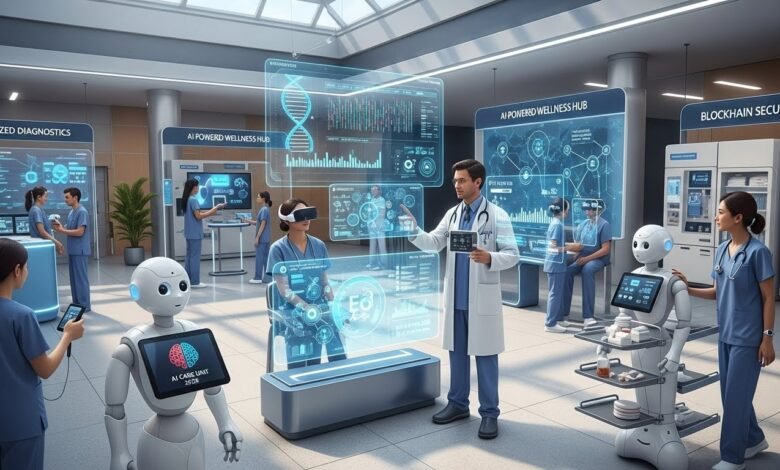
The future of healthcare in 2026 is unfolding at the intersection of advanced technology, patient-centered innovation, and decentralized systems that promise to reshape how medical services are delivered worldwide. As global healthcare systems face rising costs, aging populations, workforce shortages, and increasing demand for personalized care, emerging technologies are no longer optional enhancements but essential foundations. Artificial intelligence, blockchain, and decentralized healthcare models are rapidly moving from experimental phases into real-world implementation, signaling a transformative era for medicine.
In 2026, healthcare is no longer defined solely by hospitals and clinics. Instead, it is becoming a connected ecosystem where data flows securely, diagnoses are enhanced by intelligent algorithms, and patients gain unprecedented control over their health records. The integration of AI in healthcare, blockchain technology, and decentralized healthcare systems is driving efficiency, accuracy, transparency, and trust. These innovations are redefining clinical decision-making, medical research, and patient engagement, creating a future where care is proactive rather than reactive.
This article explores how these breakthroughs are shaping the future of healthcare in 2026, examining their impact on diagnostics, data management, drug development, patient empowerment, and global health equity.
AI Transforming Clinical Decision-Making
Artificial intelligence has become one of the most influential forces shaping the future of healthcare in 2026. AI-powered systems are now deeply integrated into clinical workflows, assisting healthcare professionals with faster and more accurate decision-making. Rather than replacing doctors, AI acts as an intelligent partner that enhances human expertise.
Machine learning algorithms analyze vast datasets, including medical imaging, electronic health records, and genetic information, to identify patterns that may not be visible to the human eye. This capability has significantly improved early disease detection, particularly in oncology, cardiology, and neurology. AI-driven diagnostics are enabling earlier interventions, reducing treatment costs, and improving patient outcomes.
Beyond diagnostics, predictive analytics powered by AI are helping hospitals anticipate patient needs, optimize resource allocation, and reduce operational inefficiencies. In 2026, these systems are essential tools for managing patient flow, minimizing wait times, and preventing burnout among healthcare workers.
Personalized Medicine Powered by AI
Personalized medicine represents a major leap forward in the future of healthcare in 2026. AI enables treatments to be tailored to individual patients based on genetic makeup, lifestyle factors, and medical history. This shift away from one-size-fits-all approaches is transforming how diseases are treated and prevented.
Through advanced data analysis, AI systems can predict how patients will respond to specific therapies, allowing clinicians to select the most effective treatment with minimal side effects. In fields such as oncology and rare disease management, precision medicine has become a cornerstone of modern care. As wearable devices and remote monitoring tools generate continuous health data, AI algorithms provide real-time insights into patient conditions. This continuous feedback loop empowers patients and clinicians alike, enabling proactive interventions before conditions worsen.
Blockchain Enhancing Healthcare Data Security

Data security and interoperability are critical challenges in modern healthcare, and blockchain technology is playing a pivotal role in addressing them. In 2026, blockchain has emerged as a trusted infrastructure for managing sensitive medical data while maintaining privacy and transparency.
Blockchain’s decentralized ledger system ensures that patient records are tamper-proof and accessible only to authorized parties. This approach significantly reduces the risk of data breaches, which have historically plagued healthcare organizations. Healthcare data security has improved as patients gain greater confidence that their information is protected.
Interoperability is another area where blockchain excels. By creating standardized, decentralized data frameworks, blockchain enables seamless sharing of medical records across institutions, borders, and platforms. This ensures continuity of care and reduces redundant testing, ultimately lowering healthcare costs.
Patient-Controlled Health Records
One of the most transformative aspects of blockchain in the future of healthcare in 2026 is patient-controlled data ownership. Instead of fragmented records stored across multiple providers, patients now have unified digital identities that grant them full control over who can access their health information.
This shift empowers patients to actively participate in their healthcare journey. They can share records with specialists instantly, seek second opinions without delays, and contribute data to research initiatives on their own terms. Decentralized health records foster trust and transparency while reducing administrative burdens.
By placing data ownership in the hands of patients, healthcare systems move toward a more ethical and patient-centric model that prioritizes consent and autonomy.
Decentralized Healthcare Models Redefining Access
Decentralized healthcare models are revolutionizing access to medical services, particularly in underserved and remote regions. In 2026, care is no longer confined to centralized institutions but distributed through digital platforms, community-based networks, and telemedicine solutions.
These models leverage blockchain and AI to coordinate care without relying on traditional intermediaries. Smart contracts automate administrative processes such as billing, insurance claims, and provider verification, reducing delays and costs. Decentralized healthcare platforms enable faster service delivery while maintaining accountability.
For patients in rural or low-resource areas, decentralized systems provide access to specialists and diagnostics that were previously unavailable. This shift is narrowing the global healthcare gap and promoting health equity on an unprecedented scale.
Telemedicine and Virtual Care Expansion
Telemedicine has evolved from a temporary solution into a permanent pillar of the future of healthcare in 2026. Advances in AI-driven triage systems and secure decentralized platforms have enhanced the quality and reliability of virtual care.
Patients can now receive accurate assessments, prescriptions, and follow-up care from the comfort of their homes. AI-powered chatbots and virtual assistants handle initial consultations, freeing clinicians to focus on complex cases. Virtual healthcare solutions are reducing strain on hospitals while improving patient satisfaction.
Blockchain ensures that telemedicine interactions are secure and compliant with privacy regulations, fostering trust in digital healthcare services. Together, these technologies are redefining the patient-provider relationship.
AI and Blockchain in Drug Discovery
Drug discovery and development have historically been time-consuming and costly processes. In the future of healthcare in 2026, AI and blockchain are accelerating innovation in this critical area.
AI models analyze molecular structures, predict drug interactions, and identify promising compounds in a fraction of the time required by traditional methods. This acceleration shortens development cycles and brings life-saving therapies to market faster. AI in pharmaceutical research is reducing costs while improving success rates.
Blockchain enhances transparency in clinical trials by securely recording data and ensuring integrity throughout the research process. This builds trust among stakeholders and improves collaboration between researchers, regulators, and pharmaceutical companies.
Ethical Considerations and Trust in Technology
As technology becomes more deeply embedded in healthcare, ethical considerations take center stage. The future of healthcare in 2026 demands responsible AI deployment, data privacy protection, and equitable access to innovation.
Ensuring that AI algorithms are free from bias is critical to preventing disparities in care. Transparent governance frameworks and decentralized oversight mechanisms are helping maintain accountability. Ethical AI in healthcare emphasizes fairness, explainability, and patient trust. Blockchain’s transparency also plays a role in building trust by providing auditable records of data usage and decision-making processes. Together, these technologies support a healthcare system grounded in integrity and accountability.
Workforce Transformation in Healthcare
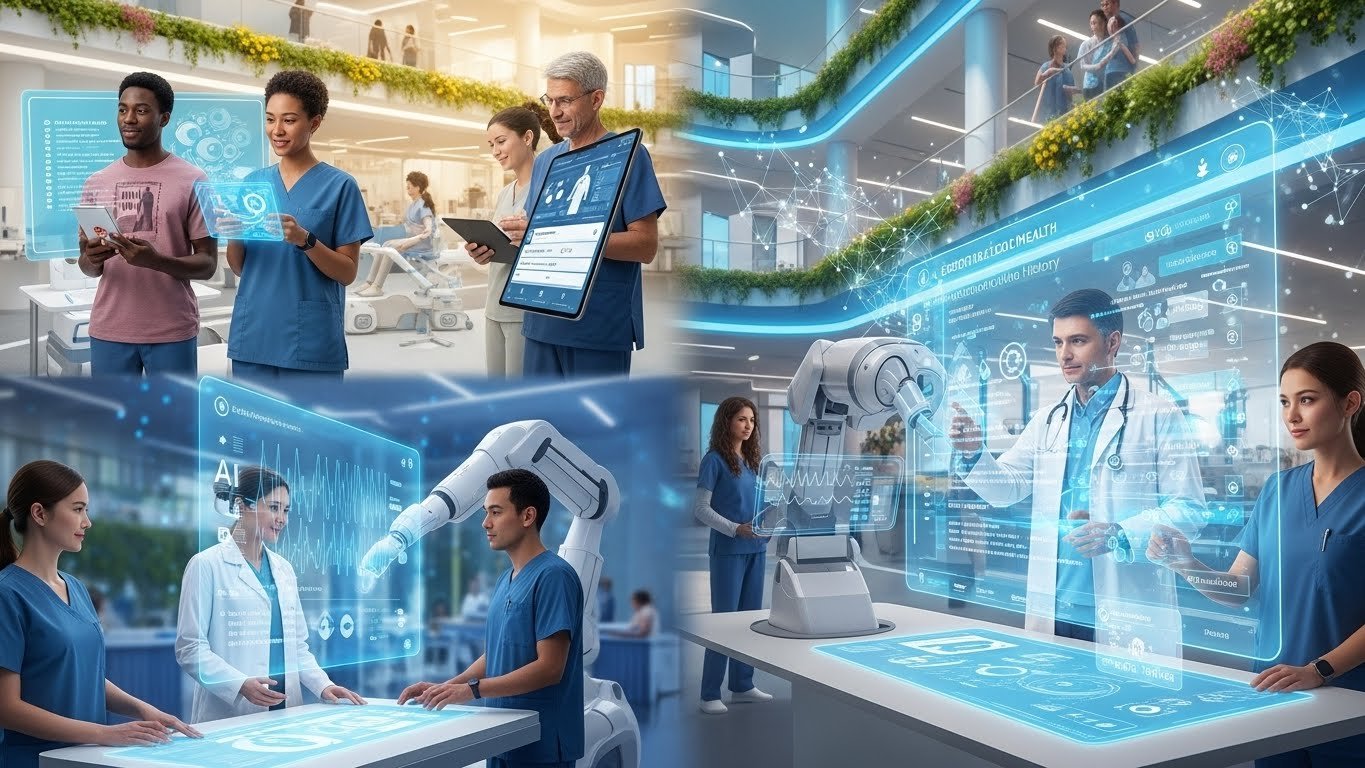
The integration of AI and decentralized technologies is transforming the healthcare workforce. Rather than eliminating jobs, these innovations are reshaping roles and enhancing productivity. In 2026, clinicians spend less time on administrative tasks and more time on patient care.
AI-powered tools assist with documentation, scheduling, and diagnostics, reducing burnout and improving job satisfaction. Healthcare professionals are increasingly trained to work alongside intelligent systems, developing new skills in data interpretation and digital health management. This evolution supports a more sustainable healthcare workforce capable of meeting growing demand without compromising quality.
Global Impact of Technological Healthcare Innovation
The future of healthcare in 2026 is not limited to developed nations. Emerging economies are leveraging AI, blockchain, and decentralized models to leapfrog traditional infrastructure limitations. Mobile health platforms, supported by AI diagnostics and blockchain data management, are delivering care to millions who previously lacked access.
These innovations support disease surveillance, outbreak response, and public health planning on a global scale. Global digital health initiatives are improving resilience and preparedness in the face of future health crises. By democratizing access to medical expertise and data, technology-driven healthcare fosters a more inclusive and connected world.
Conclusion
The future of healthcare in 2026 is defined by intelligent systems, decentralized infrastructure, and empowered patients. AI is enhancing diagnostics, personalizing treatments, and optimizing operations, while blockchain ensures data security, transparency, and trust. Decentralized healthcare models are expanding access, improving efficiency, and promoting equity across global populations.
Together, these breakthroughs represent a fundamental shift in how healthcare is delivered and experienced. As technology continues to evolve, the focus remains on improving outcomes, reducing costs, and placing patients at the center of care. The convergence of AI, blockchain, and decentralization marks the beginning of a smarter, more resilient, and more human-centered healthcare future.
FAQs
Q: How will AI change everyday healthcare experiences for patients in 2026?
AI will significantly enhance everyday healthcare experiences by enabling faster diagnoses, personalized treatment plans, and continuous monitoring through wearable devices. Patients will receive proactive care recommendations, reducing the need for emergency interventions and improving overall health management.
Q: Why is blockchain important for the future of healthcare in 2026?
Blockchain is crucial because it provides secure, transparent, and decentralized management of medical data. It allows patients to control their health records, reduces data breaches, and improves interoperability between healthcare providers, leading to more efficient and trustworthy systems.
Q: What does decentralized healthcare mean for patients and providers?
Decentralized healthcare removes reliance on centralized institutions by distributing services through digital platforms and community networks. For patients, this means greater access and control, while providers benefit from streamlined processes, reduced administrative costs, and improved collaboration.
Q: Will technology-driven healthcare reduce costs in the long term?
Yes, technology-driven healthcare is expected to reduce costs by improving efficiency, minimizing errors, accelerating drug development, and reducing unnecessary procedures. AI and blockchain automate many processes, allowing resources to be allocated more effectively.
Q: Are there risks associated with AI and blockchain in healthcare?
While these technologies offer immense benefits, risks include data privacy concerns, algorithmic bias, and unequal access. Addressing these challenges through ethical frameworks, regulation, and inclusive design is essential to ensure that the future of healthcare in 2026 benefits everyone.