Central African Republic’s Touadera, friend of Russia and crypto, vies for third term
Central African Republic President Touadera seeks a third term amid Russia ties, crypto ambitions, and growing political controversy shaping the nation’s future.

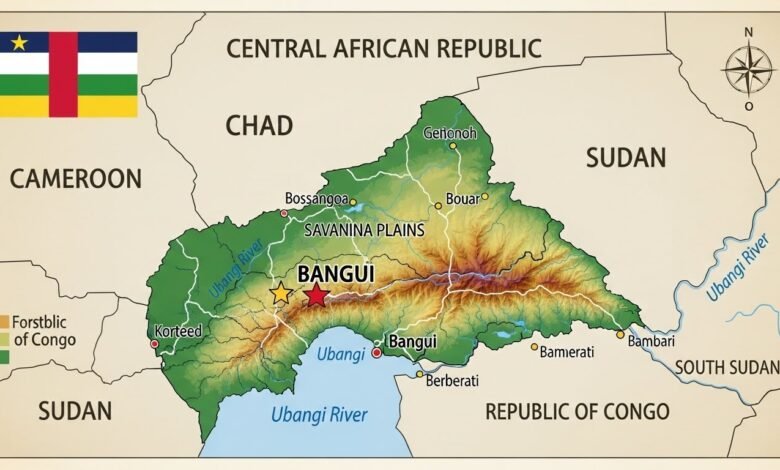
The Central African Republic has once again moved into the international spotlight as President Faustin-Archange Touadera positions himself for a controversial third term in office. Once regarded as a low-profile academic turned crisis manager, Touadera has become a polarizing political figure whose leadership blends close ties with Russia, bold experiments in cryptocurrency adoption, and an increasingly centralized grip on power. As the Central African Republic approaches another decisive electoral moment, Touadera’s ambitions raise critical questions about constitutional limits, democratic norms, foreign influence, and the long-term stability of one of the world’s most fragile states.
This unfolding political chapter is not merely about one leader’s personal ambitions. It reflects deeper tensions within the Central African Republic, including unresolved security challenges, economic vulnerability, and the struggle between sovereignty and dependency. Touadera’s third term bid comes at a time when regional politics, global geopolitics, and domestic discontent are colliding, making the outcome potentially transformative for the country’s future.
Touadera’s Rise and Political Consolidation
Faustin-Archange Touadera rose to power in 2016 amid widespread instability, following years of civil conflict that fractured the Central African Republic along political, religious, and regional lines. Initially elected as a consensus figure, Touadera presented himself as a calm, technocratic leader capable of restoring order and rebuilding institutions. His re-election in 2020, despite violence and opposition boycotts, marked a turning point where his leadership style shifted from cautious reformism to assertive consolidation of authority.
Over time, Touadera strengthened his control over state institutions, security forces, and the political landscape. Critics argue that this consolidation has eroded democratic checks and balances, while supporters maintain that strong leadership is necessary to govern a country plagued by armed groups and chronic instability. The third term debate is therefore deeply intertwined with broader questions about governance in fragile states and whether stability justifies bending constitutional norms.
Constitutional Changes and the Third Term Question
The controversy surrounding Touadera’s third term centers on constitutional reforms that critics claim were engineered to extend his rule. The Central African Republic’s original constitution limited presidents to two terms, reflecting post-conflict efforts to prevent authoritarianism. However, constitutional revisions and legal reinterpretations have opened the door for Touadera to argue that his previous terms no longer count under the new framework.
Supporters of the president insist that the constitutional changes were conducted legally and reflect the will of the people. Opponents counter that the process lacked transparency and undermined democratic principles. This debate has intensified political polarization and raised concerns about precedent-setting governance in the region. The third term issue has thus become a symbol of the fragile balance between constitutional legality and democratic legitimacy in the Central African Republic.
A Strategic Alliance with Russia
One of the defining features of Touadera’s presidency has been his close relationship with Russia. As traditional Western partners scaled back their involvement, Touadera turned to Moscow for military assistance, political backing, and diplomatic support. Russian influence has grown steadily through security cooperation, military advisors, and economic engagement, reshaping the Central African Republic’s geopolitical orientation.
For Touadera, alignment with Russia offers practical benefits. Russian-backed security forces have played a significant role in pushing back rebel groups and stabilizing key areas, including the capital Bangui. This support has bolstered Touadera’s image as a leader capable of restoring territorial control. However, critics warn that reliance on Russia risks compromising national sovereignty and entangling the country in broader geopolitical rivalries.
Security Gains and Human Rights Concerns
Security improvements under Touadera are often cited by his allies as justification for extended leadership. In several regions, state authority has been restored where rebel groups once operated freely. These gains have allowed the government to reassert control over natural resources and improve basic governance.
Yet these advances have come with allegations of human rights abuses involving foreign-linked security actors. Reports of civilian harm, intimidation, and lack of accountability have fueled domestic and international criticism. Touadera’s handling of these allegations has further polarized opinion, with supporters emphasizing stability while opponents argue that security without accountability undermines long-term peace.
Crypto Ambitions and Global Attention

Another distinctive element of Touadera’s presidency is his embrace of cryptocurrency. The Central African Republic became one of the first countries in the world to adopt cryptocurrency adoption policies at the national level, positioning itself as an experimental hub for digital finance. Touadera framed this move as a path toward financial inclusion, economic modernization, and reduced dependence on traditional financial systems.
This crypto initiative attracted global attention, especially within blockchain communities, but also sparked skepticism. Critics questioned the practicality of digital currencies in a country with limited internet access and widespread poverty. Nonetheless, Touadera’s crypto vision aligned with his broader narrative of asserting sovereignty and bypassing traditional power structures, reinforcing his image as a leader willing to take unconventional paths.
Economic Challenges and Development Promises
Despite ambitious initiatives, the Central African Republic remains one of the poorest countries globally. Economic growth has been uneven, infrastructure remains underdeveloped, and social services are limited. Touadera’s supporters argue that external shocks, insecurity, and decades of mismanagement constrain progress more than leadership decisions.
As Touadera vies for a third term, economic promises play a central role in his campaign narrative. He emphasizes economic sovereignty, resource control, and long-term development strategies, including partnerships with non-Western allies. Whether these promises resonate with a population facing daily hardship will significantly influence political outcomes.
Opposition, Civil Society, and Public Sentiment
Political opposition and civil society groups have increasingly voiced concern over Touadera’s third term ambitions. Protests, statements, and legal challenges reflect growing unease about democratic backsliding. However, opposition movements face structural disadvantages, including limited access to media, security pressures, and fragmented leadership.
Public sentiment in the Central African Republic is complex. Some citizens credit Touadera with improved security and international recognition, while others fear that prolonged rule will entrench authoritarianism. This mixed perception underscores the difficulty of measuring genuine popular support in a politically constrained environment.
Regional and International Implications
Touadera’s third term bid carries implications beyond national borders. Regional organizations and neighboring states are closely watching developments, aware that constitutional manipulation can destabilize already fragile regions. International partners face a dilemma between promoting democratic norms and maintaining engagement in a strategically sensitive country. The Central African Republic’s evolving alignment with Russia and its experiment with crypto-based governance further complicate international responses. Touadera’s leadership has effectively positioned the country at the intersection of geopolitical realignment, technological experimentation, and post-conflict governance challenges.
The Role of Elections and Democratic Legitimacy

Elections remain central to Touadera’s legitimacy claims. However, concerns about electoral fairness, inclusivity, and security persist. Previous elections were marred by violence and limited participation in some regions, raising doubts about representativeness. As the country prepares for another electoral cycle, the credibility of the process will be critical. A transparent and inclusive election could strengthen institutional legitimacy, while a disputed outcome risks exacerbating tensions and undermining stability. Touadera’s approach to electoral management will therefore shape both his legacy and the Central African Republic’s democratic trajectory.
Balancing Stability and Democracy
At the heart of the third term debate lies a fundamental tension between stability and democracy. Touadera’s defenders argue that continuity is essential for consolidating peace and development. Critics contend that genuine stability requires accountable leadership and respect for constitutional limits. This dilemma is not unique to the Central African Republic but reflects broader challenges across post-conflict states. Touadera’s choices may thus serve as a case study in how fragile democracies navigate leadership transitions under pressure.
Conclusion
Central African Republic’s Touadera, friend of Russia and crypto, vies for third term at a moment of profound national significance. His leadership embodies both ambition and controversy, blending security gains, geopolitical realignment, and technological experimentation with concerns about democratic erosion. As the country approaches a decisive political juncture, the outcome will shape not only Touadera’s personal legacy but also the Central African Republic’s path toward stability, sovereignty, and democratic governance. Whether continuity under Touadera strengthens the nation or deepens existing fractures remains an open and consequential question.
FAQs
Q: Why is Touadera’s third term bid controversial in the Central African Republic?
The controversy stems from constitutional term limits that were originally designed to prevent prolonged rule. Critics argue that legal changes enabling a third term undermine democratic principles, while supporters claim the reforms are lawful and necessary for stability.
Q: How has Touadera’s relationship with Russia influenced his leadership?
Touadera’s close ties with Russia have provided military and political support that improved security in key areas. However, this relationship has also raised concerns about sovereignty, human rights, and increased foreign influence in national affairs.
Q: What role does cryptocurrency play in Touadera’s political strategy?
Touadera has embraced digital currency initiatives as part of a broader vision for economic modernization and financial independence. While innovative, these policies remain controversial due to infrastructure limitations and economic realities.
Q: How do citizens of the Central African Republic view Touadera’s leadership?
Public opinion is divided. Some credit him with restoring order and pursuing bold reforms, while others fear authoritarian tendencies and democratic backsliding, particularly in the context of a potential third term.
Q: What could Touadera’s third term mean for the country’s future?
A third term could bring policy continuity and further consolidation of security gains, but it also risks deepening political polarization and weakening democratic institutions if not accompanied by transparent governance and inclusive reforms.