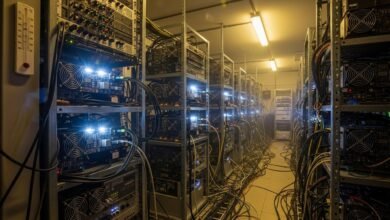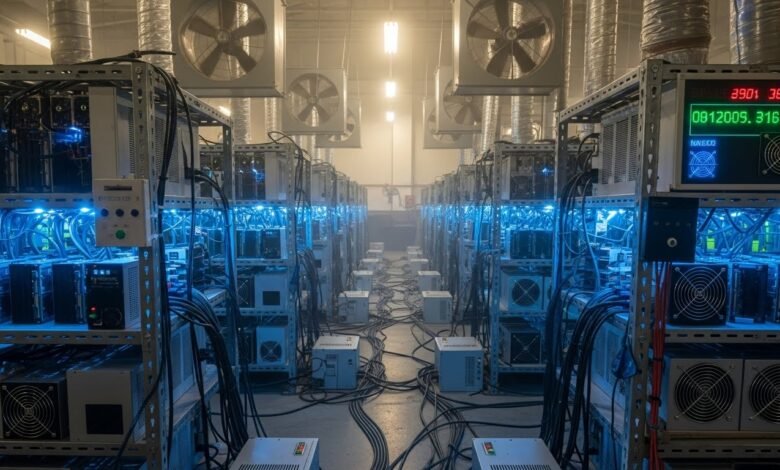
Bitcoin mining is approaching one of the most critical turning points in its history. As the industry looks toward 2026, miners are facing a convergence of pressures that threaten traditional business models while simultaneously opening new paths for survival. Rising energy costs, shrinking block rewards after successive halvings, intense competition, and regulatory scrutiny are squeezing margins to historic lows. At the same time, the explosive growth of artificial intelligence has created new opportunities for miners willing to pivot infrastructure, rethink capital allocation, and adapt to a rapidly changing digital economy.
The phrase “Bitcoin mining’s 2026 reckoning” captures more than just financial stress. It reflects a structural shift in how mining companies operate, compete, and justify their existence. No longer is success guaranteed by cheap electricity and efficient hardware alone. The coming years will reward flexibility, technological integration, and strategic foresight, while punishing inefficiency and overleveraged balance sheets.
This article explores how Bitcoin mining economics, AI data center integration, hashrate competition, and margin pressure are shaping a fight for survival. By examining industry trends, operational challenges, and potential outcomes, it provides a comprehensive view of what the Bitcoin mining sector may look like by 2026 and why this period could redefine the industry for years to come.
The Changing Economics of Bitcoin Mining
Shrinking Block Rewards and Revenue Compression
Bitcoin mining economics are built around a simple equation: rewards minus costs equal profit. However, the reward side of that equation is under relentless pressure. With each halving event, block subsidies are reduced by half, cutting a core revenue stream for miners. By 2026, miners will be operating in an environment where block rewards are significantly smaller than in previous cycles, forcing them to rely more heavily on transaction fees.
This shift introduces uncertainty. Transaction fees can be volatile and depend on network usage, market sentiment, and broader adoption trends. While high-fee periods can boost miner revenue, they are not guaranteed. As a result, miner profitability is becoming less predictable, increasing financial risk across the industry.
Rising Costs and Energy Market Volatility
On the cost side, energy remains the dominant expense for Bitcoin miners. Global energy markets have become increasingly volatile due to geopolitical tensions, climate policies, and infrastructure constraints. Even miners with historically low-cost power agreements are seeing upward pressure on electricity prices.
In addition to energy, hardware costs and maintenance expenses continue to rise. New-generation mining rigs offer efficiency improvements, but they require substantial upfront capital. For many operators, especially smaller firms, these costs are becoming prohibitive, intensifying consolidation within the sector.
Margin Pressure and the Survival Squeeze
Thin Margins in a Competitive Hashrate Environment
Bitcoin mining has evolved into a hyper-competitive industry where efficiency determines survival. As total network hashrate continues to grow, individual miners must deploy more computing power just to maintain their share of rewards. This arms race compresses margins, particularly during periods of flat or declining Bitcoin prices.
By 2026, margin pressure is expected to intensify further. Miners operating with outdated equipment or high energy costs may find themselves mining at or below breakeven. This environment leaves little room for error and amplifies the consequences of operational inefficiencies.
Debt, Leverage, and Financial Fragility
During previous bull markets, many mining companies expanded aggressively using debt financing. While leverage amplified returns during favorable conditions, it has become a liability in periods of lower prices and tighter margins. Servicing debt obligations while revenues fluctuate creates financial fragility.
As 2026 approaches, miners with overleveraged balance sheets may face forced asset sales, restructuring, or bankruptcy. This dynamic contributes to industry shakeouts, where only the most financially disciplined operators endure.
AI Pivots and the Reinvention of Mining Infrastructure
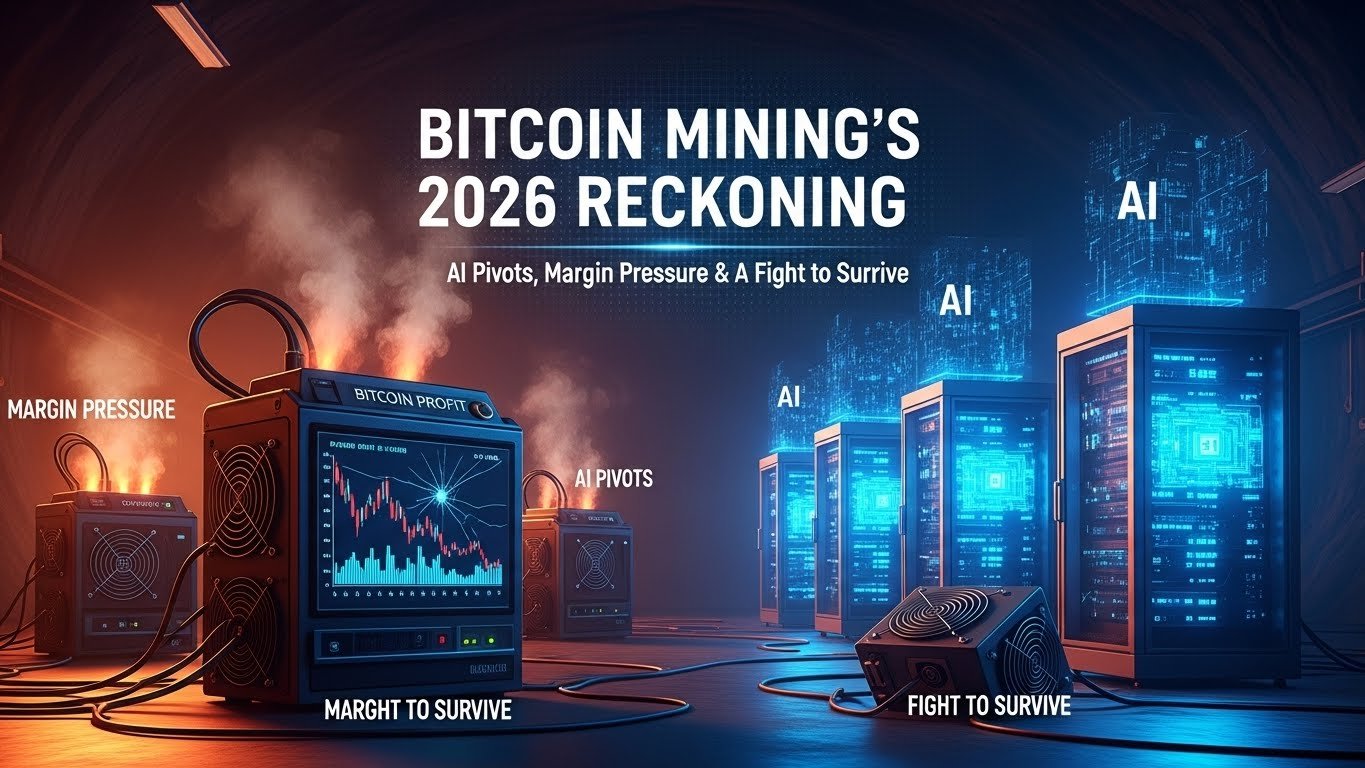
Why AI Is Attracting Bitcoin Miners
Artificial intelligence has emerged as a powerful alternative revenue stream for Bitcoin miners. Many mining operations already operate large-scale data centers with robust power access and cooling systems, making them well-positioned to host AI workloads. The surge in demand for AI compute has created an opportunity to repurpose or supplement mining infrastructure.
This pivot is not merely opportunistic; it is increasingly strategic. AI workloads can offer more stable and predictable revenue compared to Bitcoin mining, helping offset margin pressure from shrinking block rewards. The convergence of AI data centers and crypto mining infrastructure is becoming a defining trend.
Challenges of Transitioning to AI Workloads
Despite its appeal, transitioning to AI is not simple. AI workloads often require different hardware configurations, networking capabilities, and operational expertise than Bitcoin mining. High-performance GPUs, advanced cooling solutions, and specialized software stacks are costly and complex to deploy.
Moreover, miners must compete with established cloud providers and data center operators. Success in AI requires not only infrastructure but also partnerships, customer acquisition, and service reliability. For some miners, the pivot may prove too challenging, while others may successfully reinvent themselves as hybrid compute providers.
Regulatory and Environmental Pressures
Evolving Regulations and Compliance Costs
Regulatory scrutiny of Bitcoin mining continues to grow, particularly around energy consumption and environmental impact. Governments are increasingly focused on carbon emissions, grid stability, and resource allocation. By 2026, miners may face stricter reporting requirements, higher compliance costs, and potential restrictions on operations. These regulations can disproportionately affect smaller miners that lack the resources to adapt quickly. Larger operators with compliance teams and diversified operations may gain an advantage, accelerating industry consolidation.
Sustainability and Public Perception
Public perception of Bitcoin mining remains mixed. Critics often highlight energy usage and environmental concerns, while proponents argue for innovation in renewable energy and grid optimization. The industry’s response to these concerns will shape its long-term viability.
Miners investing in renewable energy, waste heat recovery, and grid-balancing solutions may improve public perception and secure regulatory goodwill. Sustainability is no longer optional; it is becoming a core component of competitive strategy.
Technology Arms Race and Efficiency Gains
Hardware Innovation and Efficiency Limits
Mining hardware continues to improve, delivering higher hashrates per watt. However, efficiency gains are approaching physical and economic limits. Each new generation of ASICs offers incremental improvements rather than transformative leaps. As efficiency gains slow, the advantage of upgrading hardware diminishes relative to cost. By 2026, miners may need to focus more on operational optimization and energy sourcing rather than relying solely on hardware upgrades to stay competitive.
Software Optimization and Operational Intelligence
Beyond hardware, software and data analytics are becoming critical. Advanced monitoring, predictive maintenance, and real-time optimization can reduce downtime and improve efficiency. Miners leveraging operational intelligence may achieve marginal gains that make the difference between profit and loss. These tools also support more dynamic strategies, such as adjusting operations based on energy prices or network conditions. In a low-margin environment, such flexibility is invaluable.
Consolidation and Industry Restructuring
The Rise of Large-Scale Operators
As margins tighten, scale becomes a key advantage. Large mining firms can negotiate better energy contracts, access capital markets, and diversify revenue streams. This trend points toward increased consolidation, with dominant players absorbing or outcompeting smaller operators. By 2026, the Bitcoin mining landscape may be defined by a smaller number of well-capitalized firms controlling a significant share of global hashrate.
Implications for Decentralization
Consolidation raises concerns about network decentralization, a core principle of Bitcoin. While mining pools already concentrate hashrate, further consolidation could exacerbate these concerns. However, economic realities may limit alternatives, as efficiency and scale become prerequisites for survival. Balancing economic efficiency with decentralization will remain an ongoing challenge for the Bitcoin ecosystem.
The Role of Bitcoin Price and Market Cycles
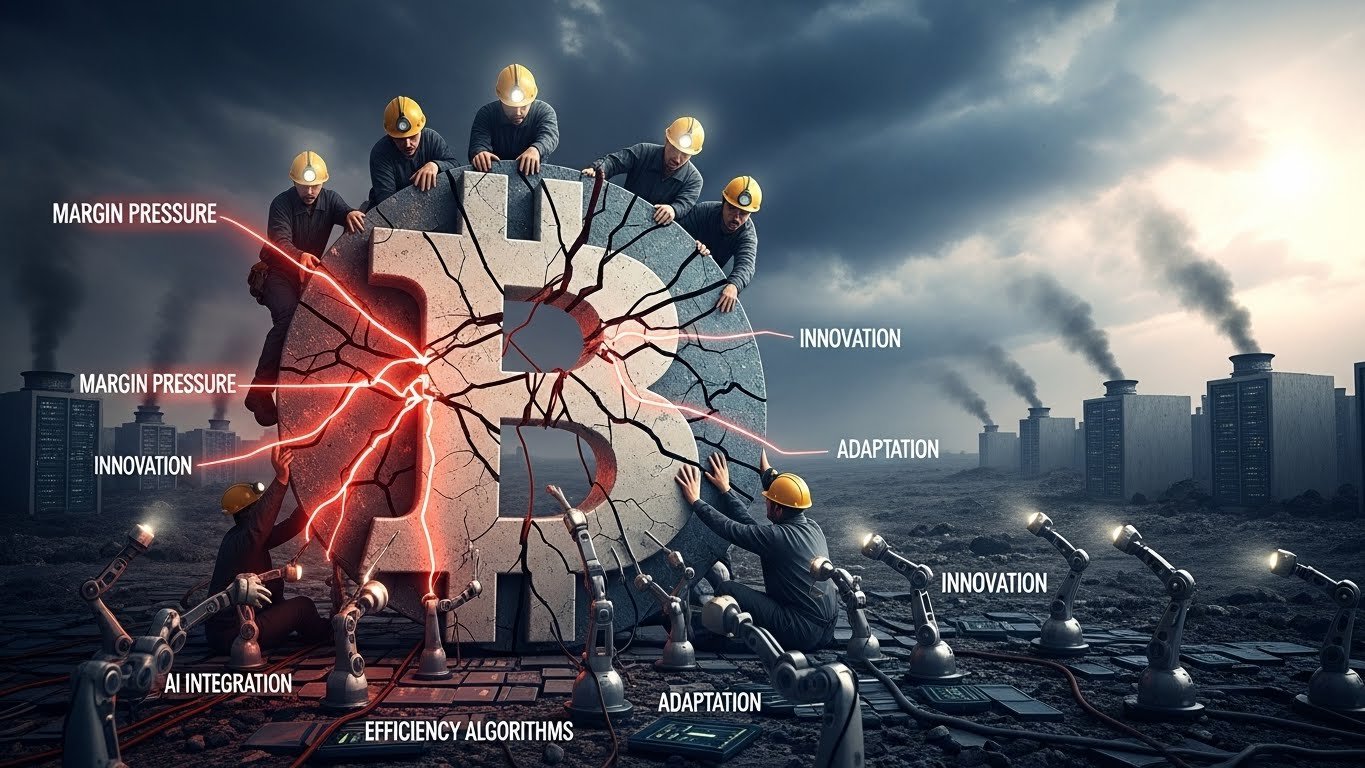
Price Sensitivity and Miner Capitulation
Bitcoin’s price remains a crucial variable in mining economics. Prolonged price downturns can trigger miner capitulation, where unprofitable operators shut down or sell assets. Conversely, price rallies can temporarily relieve margin pressure and extend the survival window for struggling miners. By 2026, miners will likely operate with heightened sensitivity to price movements, adjusting strategies quickly in response to market conditions.
Long-Term Adoption and Fee Markets
Long-term Bitcoin adoption could strengthen transaction fee markets, partially offsetting reduced block rewards. Increased on-chain activity, driven by broader use cases, would support miner revenue. However, this outcome depends on network adoption and scaling solutions. The uncertainty surrounding fee markets adds another layer of complexity to planning and investment decisions.
Strategic Pathways to Survival
Diversification Beyond Pure Mining
Survival in 2026 may require miners to diversify beyond pure Bitcoin mining. This diversification could include AI compute, hosting services, energy management, or even participation in broader blockchain infrastructure. Diversification reduces reliance on a single revenue stream and improves resilience against market shocks. However, it also introduces new risks and operational challenges.
Discipline, Adaptability, and Long-Term Vision
Ultimately, the miners who survive the 2026 reckoning will be those who combine financial discipline with adaptability. Conservative leverage, efficient operations, and a willingness to evolve business models will distinguish survivors from casualties. The fight to survive is not just about weathering short-term pressure but about positioning for a future where Bitcoin mining is one component of a broader digital infrastructure ecosystem.
Conclusion
Bitcoin mining’s 2026 reckoning represents a pivotal moment for the industry. Margin pressure from shrinking block rewards, rising costs, and intense competition is forcing miners to confront hard truths about sustainability and profitability. At the same time, the rise of artificial intelligence offers both an opportunity and a challenge, pushing miners to rethink how they deploy infrastructure and generate revenue.
The coming years will likely bring consolidation, innovation, and transformation. Some miners will fail, others will merge, and a select few will successfully pivot into hybrid models that blend Bitcoin mining with AI and other compute services. This fight to survive will reshape the industry, leaving behind a more mature, disciplined, and technologically integrated sector. By understanding the forces at play and adapting proactively, miners can navigate the 2026 reckoning not as an end, but as a new beginning for Bitcoin mining in a rapidly evolving digital economy.
FAQs
Q: Why is 2026 considered a critical year for Bitcoin mining?
2026 is viewed as critical because cumulative halving effects, rising operational costs, and intensified competition converge around this period. Many miners will face sustained margin pressure, making it a decisive test of which business models are viable in the long term.
Q: How does AI integration help Bitcoin miners survive margin pressure?
AI integration allows miners to repurpose data center infrastructure for alternative revenue streams. By hosting AI workloads, miners can generate more stable income, reducing dependence on volatile Bitcoin mining rewards and improving overall financial resilience.
Q: Will smaller Bitcoin miners be able to survive the coming shakeout?
Smaller miners face significant challenges due to limited access to capital, higher relative costs, and regulatory burdens. Some may survive by focusing on niche strategies or renewable energy, but many are likely to be absorbed or exit the market as consolidation accelerates.
Q: How do regulations impact Bitcoin mining’s future?
Regulations influence energy usage, compliance costs, and operational flexibility. Stricter environmental and reporting requirements may increase costs but could also encourage more sustainable practices. Miners that adapt proactively may gain long-term advantages.
Q: Does consolidation threaten Bitcoin’s decentralization?
Consolidation can increase hashrate concentration, raising decentralization concerns. However, economic pressures make some level of consolidation unavoidable. The challenge lies in maintaining network security and decentralization while allowing efficient operators to survive.