Bitcoin Mining Helps Stabilize Power Grids, Lowers User Costs: Study
A new study shows how Bitcoin mining helps stabilize power grids, reduce energy waste, and lower electricity costs for everyday users.

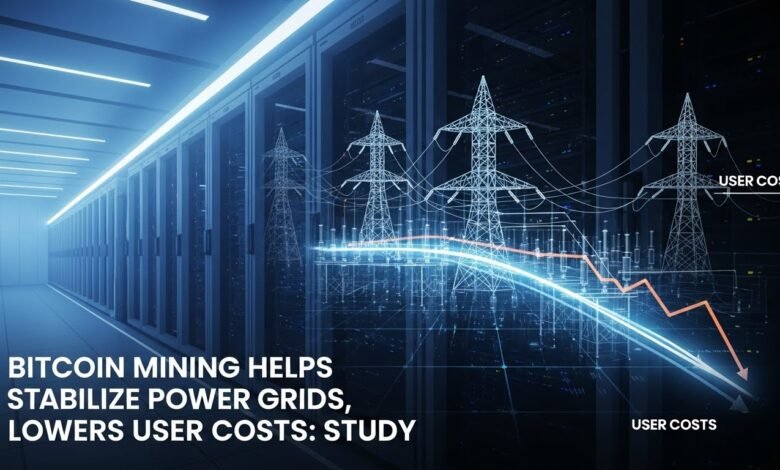
For years, Bitcoin mining has been portrayed as an energy-hungry activity that puts pressure on electricity networks and increases costs for consumers. However, recent research and real-world data are challenging this narrative. A growing body of evidence now suggests that Bitcoin mining can actually play a positive role in modern energy systems. According to a new study, Bitcoin mining helps stabilize power grids, reduces energy waste, and can even lower electricity costs for regular users when integrated correctly.
This shift in understanding comes at a critical time. Power grids around the world are facing unprecedented challenges due to rising energy demand, the integration of intermittent renewable energy sources, and the need for greater grid flexibility. Bitcoin mining, often criticized for its electricity usage, is now being examined as a potential solution rather than a problem. By acting as a highly flexible and location-independent energy consumer, mining operations can support grid stability and improve overall efficiency.
In this article, we explore how Bitcoin mining supports grid stability, why it can reduce energy costs, and what the study reveals about the future of energy systems. We also examine the role of renewable energy, demand response programs, and economic incentives that make Bitcoin mining a unique participant in the modern power grid.
Understanding the Energy Debate Around Bitcoin Mining
Why Bitcoin Mining Uses Energy
Bitcoin mining is the process of validating transactions and securing the Bitcoin network through computational work. This process, known as proof of work, requires specialized hardware and electricity to perform cryptographic calculations. Energy use is not a flaw in the system but a core feature that ensures network security, decentralization, and resistance to manipulation.
The criticism arises because Bitcoin mining consumes a significant amount of electricity on a global scale. Critics often compare its energy use to that of small countries, without considering how and when that energy is consumed. The study emphasizes that energy consumption alone does not determine environmental or economic impact. Instead, the flexibility and responsiveness of Bitcoin mining are what make it valuable to power grids.
The Difference Between Constant and Flexible Energy Demand
Most traditional electricity consumers create constant or unpredictable demand. Homes, factories, and commercial buildings require power regardless of grid conditions. Bitcoin mining, on the other hand, is uniquely flexible. Mining operations can ramp up or down within seconds, pause entirely during peak demand, and relocate to areas with surplus energy. This flexibility allows Bitcoin mining to act as a controllable load, helping grid operators balance supply and demand. The study highlights that this characteristic is central to how Bitcoin mining helps stabilize power grids and lowers user costs.
How Bitcoin Mining Helps Stabilize Power Grids
Acting as a Grid Balancing Tool
One of the key findings of the study is that Bitcoin mining can serve as a powerful grid balancing tool. Power grids must maintain a constant balance between electricity supply and demand. Even small imbalances can cause frequency deviations, leading to blackouts or equipment damage.
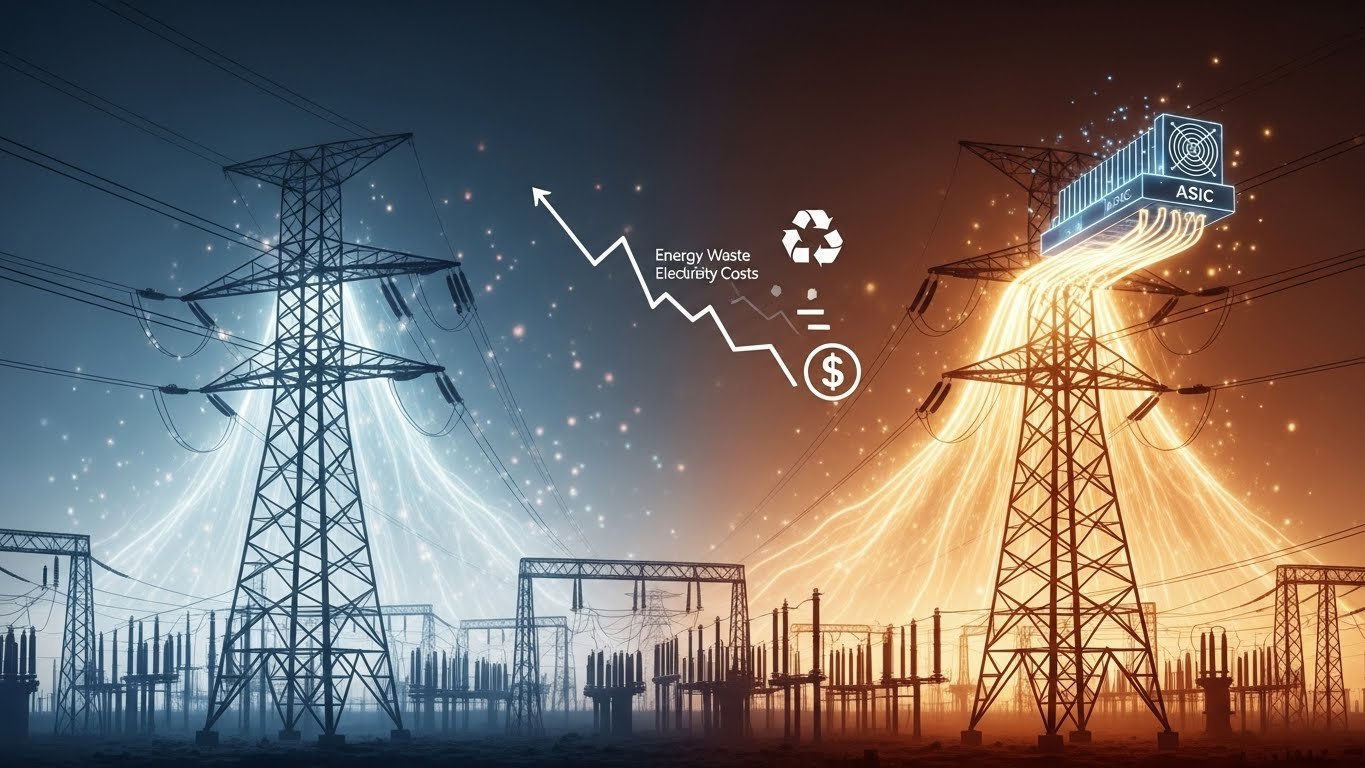
Bitcoin mining facilities can instantly adjust their power consumption based on grid needs. When electricity supply exceeds demand, miners can absorb excess energy. When demand spikes, miners can shut down, freeing capacity for households and critical services. This behavior supports grid stability, energy load balancing, and power grid resilience, all of which are essential for modern energy systems.
Supporting Grid Frequency and Reliability
Grid frequency stability is a major challenge, especially as renewable energy sources like wind and solar become more common. These sources are intermittent and can cause sudden changes in power output. Bitcoin mining operations can respond rapidly to these fluctuations, helping maintain stable grid frequency.
The study explains that mining facilities participating in demand response programs effectively act as shock absorbers for the grid. By adjusting consumption in real time, they reduce stress on infrastructure and improve overall reliability. This contributes to fewer outages and more consistent power delivery for end users.
Bitcoin Mining and Renewable Energy Integration
Solving the Problem of Energy Curtailment
Renewable energy projects often produce more electricity than the grid can handle, especially during periods of low demand. This excess energy is frequently wasted through curtailment, where power generation is intentionally reduced. Bitcoin mining offers a solution by providing a constant buyer for surplus energy.
By colocating mining operations with renewable energy sources, excess electricity can be monetized instead of wasted. The study notes that this improves the economics of renewable projects and encourages further investment in clean energy. Renewable energy utilization, energy efficiency, and sustainable mining are key LSI concepts highlighted in this context.
Incentivizing Clean Energy Development
Bitcoin miners are highly sensitive to electricity costs, which incentivizes them to seek the cheapest energy available. In many regions, this cheapest energy comes from renewables, particularly hydro, wind, and solar during off-peak periods. As a result, mining can accelerate the development of renewable infrastructure. The study suggests that Bitcoin mining can act as an anchor tenant for new energy projects, providing early revenue streams that make projects financially viable. This symbiotic relationship supports both cleaner energy production and grid modernization.
Lowering Electricity Costs for Consumers
Reducing Peak Demand Pressure
Electricity prices often rise during peak demand periods when grids are under stress. Utilities must activate expensive backup power plants or purchase electricity at higher market rates. Bitcoin mining helps reduce this pressure by voluntarily shutting down during peak times. By lowering peak demand, mining operations help stabilize wholesale electricity prices. These savings can be passed on to consumers in the form of lower utility bills. The study emphasizes that this dynamic directly contributes to lower user energy costs and improved affordability.
Improving Grid Infrastructure Utilization
Power grids are built to handle peak loads, which occur only a small fraction of the time. This results in underutilized infrastructure for most of the year. Bitcoin mining increases baseline demand during off-peak periods, improving overall asset utilization. Better utilization spreads fixed infrastructure costs over more kilowatt-hours, reducing the cost per unit of electricity. According to the study, this efficiency gain benefits all users connected to the grid, not just mining operations.
Economic Benefits for Local Communities
Job Creation and Infrastructure Investment
Bitcoin mining facilities often bring investment to rural or underdeveloped areas with surplus energy capacity. These projects create jobs, improve local infrastructure, and generate tax revenue. The study highlights examples where mining operations revitalized struggling energy markets. Local utilities benefit from increased demand stability, while communities gain new economic opportunities. This reinforces the idea that Bitcoin mining can be a positive force when aligned with regional energy strategies.
Strengthening Energy Markets
By providing a flexible demand source, Bitcoin mining strengthens energy markets and improves price signals. This helps utilities plan more effectively and invest in upgrades where they are most needed. The study notes that healthier energy markets ultimately lead to better service and lower costs for consumers.
Addressing Environmental Concerns
Moving Beyond Simplistic Energy Narratives
The study challenges the simplistic view that energy consumption equals environmental harm. What matters is the type of energy used and how consumption aligns with grid needs. Bitcoin mining’s ability to utilize stranded and renewable energy changes the environmental equation significantly.
When powered by clean or otherwise wasted energy, Bitcoin mining can have a minimal environmental footprint. The study encourages policymakers and critics to focus on energy sources and grid integration rather than raw consumption figures.
Encouraging Smarter Energy Policy
Bitcoin mining’s interaction with power grids provides valuable insights into demand-side management. The study suggests that lessons learned from mining could be applied to other industries, promoting smarter and more flexible energy consumption across the economy. This perspective positions Bitcoin mining as part of a broader transition toward intelligent and responsive energy systems.
The Future of Bitcoin Mining and Power Grids

Growing Role in Smart Grids
As grids become more digital and automated, the role of flexible loads will increase. Bitcoin mining is well-positioned to integrate with smart grid technology, providing real-time demand adjustments and supporting advanced grid management systems. The study predicts that mining operations will increasingly participate in grid services, earning revenue not only from Bitcoin but also from providing stability and flexibility.
Collaboration Between Miners and Utilities
Future success depends on collaboration between Bitcoin miners, utilities, and regulators. Clear frameworks can ensure that mining supports public interests while remaining economically viable. The study emphasizes that cooperation is key to maximizing benefits for all stakeholders. With proper integration, Bitcoin mining could become a standard component of modern energy strategies rather than a controversial outlier.
Conclusion
The idea that Bitcoin mining is purely a burden on energy systems is increasingly outdated. According to the study, Bitcoin mining helps stabilize power grids, reduces energy waste, and lowers electricity costs for users when implemented thoughtfully. Its unique flexibility, compatibility with renewable energy, and ability to respond instantly to grid conditions make it a valuable asset in a rapidly evolving energy landscape.
Rather than viewing Bitcoin mining as an enemy of sustainability, policymakers and industry leaders are beginning to recognize its potential as a tool for grid optimization and economic efficiency. As energy systems continue to modernize, Bitcoin mining may play an important role in creating more resilient, affordable, and sustainable power grids for the future.
FAQs
Q: How does Bitcoin mining actually help stabilize power grids in practical terms?
Bitcoin mining stabilizes power grids by acting as a flexible and controllable electricity load. Mining operations can quickly increase or decrease their energy consumption based on grid conditions. During periods of excess electricity supply, miners absorb surplus power that would otherwise be wasted. When demand spikes or the grid is under stress, miners can shut down almost instantly, freeing electricity for households and essential services. This rapid responsiveness helps maintain grid balance, prevents outages, and improves overall reliability.
Q: Can Bitcoin mining really lower electricity costs for regular users?
Yes, the study indicates that Bitcoin mining can contribute to lower electricity costs for regular users. By reducing peak demand pressure and improving infrastructure utilization, mining helps stabilize wholesale electricity prices. When grids operate more efficiently and avoid expensive emergency power generation, utilities can pass savings on to consumers. Over time, this leads to more predictable pricing and potentially lower energy bills for households and businesses.
Q: What role does renewable energy play in the relationship between Bitcoin mining and power grids?
Renewable energy plays a central role in this relationship. Bitcoin mining often uses surplus renewable energy that would otherwise be curtailed due to low demand or grid limitations. By consuming excess wind, solar, or hydro power, miners improve the economics of renewable projects and encourage further clean energy investment. This synergy helps reduce waste, supports sustainability goals, and strengthens the overall energy system.
Q: Are there environmental risks associated with Bitcoin mining despite these benefits?
Environmental risks depend largely on the energy sources used. When Bitcoin mining relies on fossil fuels without proper integration, it can contribute to emissions. However, the study emphasizes that mining powered by renewable or stranded energy significantly reduces environmental impact. The key factor is responsible energy sourcing and smart grid integration, rather than the act of mining itself.
Q: Will Bitcoin mining become a standard part of future energy systems?
The study suggests that Bitcoin mining is likely to become more integrated into future energy systems, especially as smart grids and demand response programs expand. Its ability to provide flexible demand, support renewable energy, and enhance grid stability aligns well with the needs of modern power networks. With clear regulations and collaboration between miners and utilities, Bitcoin mining could become a recognized and valuable component of energy infrastructure.