Bitcoin mining companies shift to AI, transforming data centers for AI and high-performance computing


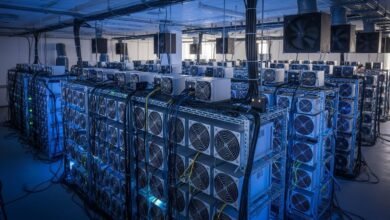
The world of technology continues to change at an unprecedented pace, and nowhere is this transformation more evident than in the intersection between Bitcoin mining, artificial intelligence, and high-performance computing. For years, Bitcoin mining companies built massive energy-intensive data centers dedicated to solving cryptographic puzzles and securing the blockchain. However, as the mining landscape becomes more competitive and energy costs rise, many of these companies are shifting their business models toward AI-powered operations. This strategic move is reshaping data centers globally, enabling miners to repurpose infrastructure for AI training, machine learning workloads, Bitcoin mining companies shift to AI.
This shift represents a major turning point not just for Bitcoin mining companies but for the entire digital ecosystem. Data centers built for mining already possess high-density computing power and robust cooling infrastructure. These features make them ideal for AI-driven applications, which demand similar operational environments. As businesses and governments increasingly adopt AI technologies, the demand for scalable and efficient data centers continues to grow dramatically. Bitcoin miners, with their established infrastructure, are seizing this opportunity to diversify revenue streams and build long-term sustainability. With the rise of AI computing, GPU clusters, and cloud-based AI workloads, the transition from Bitcoin mining to AI-driven operations is becoming a defining trend in the tech industry. This article explores how Bitcoin mining companies are adapting, the technological advantages they hold, the economic reasons behind the transition, and how this shift will shape the future of global computing.
The Evolution of Bitcoin Mining Infrastructure into AI Powerhouses
Bitcoin mining facilities were originally optimized for specialized hardware and constant energy consumption. These data centers relied heavily on ASIC machines designed specifically to mine Bitcoin at extremely high speeds. Over time, however, the economics of mining became increasingly difficult. The Bitcoin halving cycles reduced block rewards, energy prices intensified, and competition grew globally. As a result, mining companies sought new opportunities to maximize the value of their infrastructure.
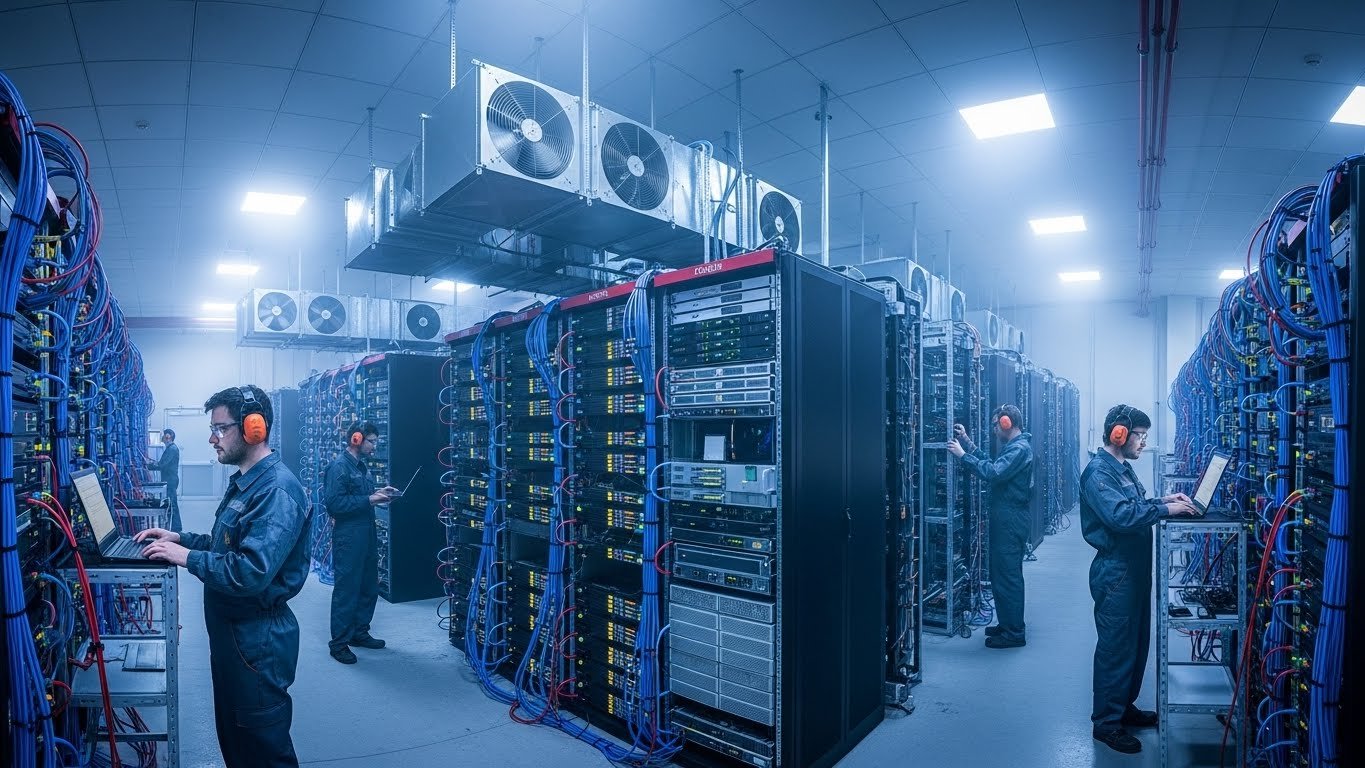
The rise of AI technologies, deep learning models, and high-performance computing (HPC) presented the perfect opportunity. AI applications require enormous amounts of computing power, particularly for training large models. Bitcoin mining data centers already had the necessary electrical capacity, cooling systems, and secure facilities to support this computing-heavy transition. By replacing ASIC miners with GPUs and advanced servers, Bitcoin mining companies could repurpose their infrastructures without starting from scratch. The emergence of powerful GPU-based workloads, AI training clusters, and cloud inference systems further accelerated this transition. Instead of relying solely on Bitcoin’s volatile market, companies could engage in a rapidly expanding computing sector that is expected to grow exponentially over the next decade.
Why AI and High-Performance Computing Have Become the New Frontier
AI has become the driving force behind technological innovation, influencing industries ranging from healthcare to finance, manufacturing, transportation, and entertainment. The demand for infrastructure that can handle massive datasets and complex computational tasks has reached unprecedented levels. This surge in demand is precisely why Bitcoin mining companies see AI as an ideal opportunity.
High-performance computing allows businesses to run simulations, process large volumes of information, and power advanced applications like neural networks. Bitcoin mining companies, with their large-scale facilities, can integrate this new wave of technology seamlessly. Their data centers already support the kind of power distribution and heat dissipation that HPC tasks require. This gives them a significant competitive advantage over traditional data center operators who may need to expand or upgrade their facilities. The synergy between AI workloads, machine learning models, and blockchain-focused infrastructure creates a dynamic environment that supports long-term growth. As AI models become more advanced and require even greater processing capabilities, Bitcoin mining companies are well-positioned to supply the necessary computational resources.
How Bitcoin Mining Companies Are Building AI-Driven Data Centers
Transforming Bitcoin mining infrastructure into AI-focused data centers involves several technical adjustments. The first step is replacing ASIC miners with more flexible hardware. GPUs, TPUs, and other specialized processors are essential for AI training and inference tasks. These devices handle parallel processing far more effectively than ASIC miners, making them ideal for machine learning operations.
Cooling systems originally designed for heat-intensive mining equipment are equally effective for AI processing. Many mining facilities operate in regions with colder climates to reduce cooling costs, which becomes a major advantage for AI workloads. Enhanced cooling, combined with renewable energy sources, ensures that the data centers remain cost-efficient and environmentally conscious. Energy management also plays a crucial role. AI workloads consume massive amounts of power, and Bitcoin miners already operate under similar conditions. Advanced energy optimization systems help regulate consumption while maintaining peak performance. This seamless integration of AI technology demonstrates the adaptability of Bitcoin mining companies and their ability to transform challenges into opportunities.
Economic Benefits Driving the Transition to AI and HPC
The economic environment surrounding Bitcoin mining has shifted significantly. Halving events reduce block rewards, electricity prices fluctuate, and global mining difficulty increases. These factors make it harder for mining companies to maintain profitability. However, the AI and HPC industries are booming, offering more stable revenue opportunities.
AI-driven data centers can rent computing power to enterprise clients, government agencies, and research institutions. This diversification ensures that companies are not solely reliant on Bitcoin’s market performance. The ability to offer cloud-based AI computing, GPU clusters, and HPC resources makes these companies valuable players in the technology market. Additionally, the market for AI data centers is expanding rapidly. Businesses around the world are searching for scalable computing solutions that can handle advanced AI workloads. Bitcoin mining companies, with their extensive infrastructure and technical expertise, can provide these services at competitive rates. This creates a profitable and sustainable business model that strengthens their long-term growth prospects.
Environmental Advantages of Repurposing Mining Data Centers for AI
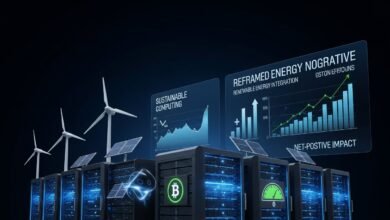
Bitcoin mining has often faced criticism due to its high energy consumption and environmental impact. However, the industry’s shift toward AI and HPC offers an opportunity to reframe its role in sustainable technology development. Repurposing existing facilities reduces the need for new construction, limiting environmental disruption.
Many mining companies have already invested heavily in renewable energy sources such as wind, hydro, and solar power. These green energy solutions are equally beneficial for AI data centers. Using renewable energy helps reduce carbon emissions while supporting the infrastructure needed for advanced computing. Furthermore, AI-driven operations often allow for more precise energy optimization. Machine learning models can even predict energy consumption patterns and help improve overall efficiency. By transitioning to AI workloads, Bitcoin mining companies contribute to a more sustainable and environmentally responsible technology ecosystem.
The Growing Role of AI in Global Industries and How Miners Fit In
Artificial intelligence is reshaping industries worldwide. From autonomous vehicles to predictive analytics and digital health innovations, AI’s influence is undeniable. This widespread adoption is creating massive demand for powerful computing infrastructure.
Bitcoin mining companies are stepping into this role by offering the computational backbone needed to support AI innovation. Their facilities help power real-time analytics, automated systems, and large-scale AI training operations. As companies increasingly rely on AI to gain a competitive edge, the need for advanced data centers continues to expand. Bitcoin mining companies are not just meeting this demand; they are helping define the future of AI infrastructure. Their experience managing large-scale computing networks gives them a unique advantage in creating cost-effective, efficient, and reliable AI-focused data centers.
Challenges Faced During the Transition from Mining to AI Computing
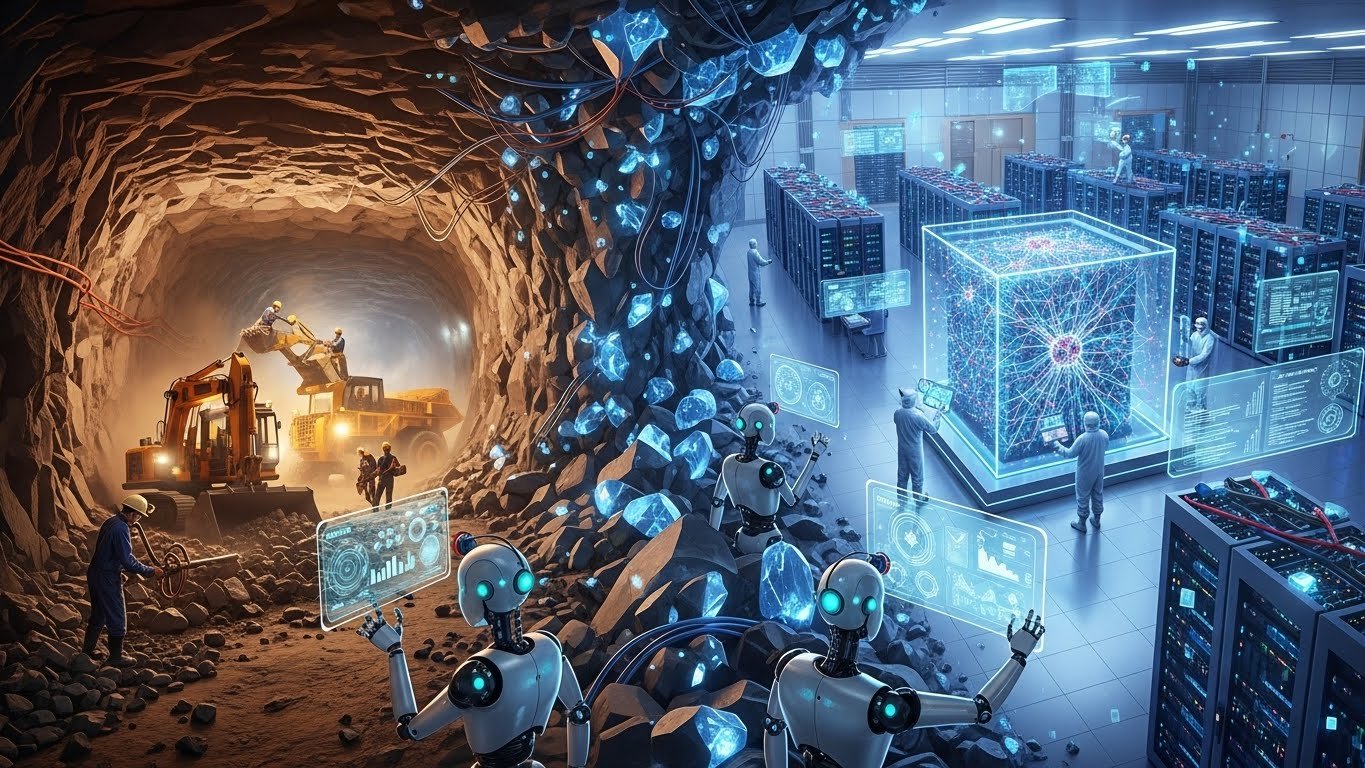
Although the transition to AI and HPC offers immense opportunities, it also presents challenges. Upgrading hardware, optimizing cooling systems, and adapting to new technical requirements require significant investment. Some mining companies may struggle to secure funding for these transitions, especially smaller firms with limited resources. Another challenge lies in acquiring skilled talent. AI computing requires expertise in machine learning, data science, software engineering, and infrastructure design. Mining companies must recruit or train professionals who can oversee these complex operations.
Regulatory landscapes also play a role. Governments increasingly regulate AI technologies, data privacy, and digital infrastructure. Mining companies must remain compliant with these evolving regulations to maintain operational integrity. Despite these challenges, the overall trend remains clear: the transition to AI-driven operations is reshaping Bitcoin mining companies in powerful and transformative ways.
The Future of Bitcoin Mining Companies in the AI Era
The integration of AI into Bitcoin mining infrastructure marks the beginning of a new technological era. Instead of relying solely on cryptocurrency revenues, mining companies are becoming digital infrastructure providers supporting global technological progress.
Future developments may include hybrid models where facilities support both Bitcoin mining and AI computing. Advances in machine learning, GPU architecture, and cloud computing will continue to push the industry forward. Bitcoin mining companies could become leaders in providing the infrastructure required for AI-focused innovation worldwide. Their ability to adapt, innovate, and repurpose resources makes them valuable contributors to the digital economy. As AI continues to dominate technological advancement, mining companies that embrace this transition will shape the future of global computing.
Conclusion
Bitcoin mining companies are undergoing a profound transformation as they shift from traditional mining operations to AI-driven data centers. This strategic transition reflects the rapidly evolving needs of the digital world and the immense demand for high-performance computing. By repurposing existing infrastructure, adopting sustainable energy solutions, and investing in advanced hardware, mining companies are establishing themselves as essential players in the future of AI and computing technology. This shift not only creates more stable and diverse revenue opportunities but also demonstrates the industry’s ability to innovate, adapt, and thrive in an ever-changing technological landscape. As AI continues to grow across every major industry, Bitcoin mining companies that embrace this evolution will play a crucial role in supporting the global computing ecosystem.
FAQs
Q: Why are Bitcoin mining companies moving toward AI and high-performance computing instead of relying solely on cryptocurrency mining
Bitcoin mining has become more competitive and less predictable due to rising energy costs, halving events, and increasing mining difficulty. AI and high-performance computing offer more stable and profitable long-term opportunities. Mining companies already have powerful infrastructure that easily supports AI workloads, making the transition logical and financially beneficial.
Q: How do Bitcoin mining facilities convert their infrastructure to support AI-driven data centers
Mining facilities replace ASIC miners with GPUs and advanced servers designed for machine learning and AI training. The cooling systems, electrical capacity, and physical layouts originally designed for mining work perfectly for AI operations. This reduces the need for new construction and allows companies to adapt quickly.
Q: What role does renewable energy play in the transition from Bitcoin mining to AI-focused computing
Many Bitcoin mining companies already use renewable energy sources to reduce operational costs. When shifting to AI workloads, these green energy solutions support more efficient and sustainable data centers. Renewable energy helps lower carbon footprints while powering high-performance computing tasks required for AI.
Q: How does AI create new revenue opportunities for companies that formerly relied on Bitcoin mining
AI-driven operations allow companies to rent computational power to enterprises, researchers, and government agencies. These clients require continuous access to high-performance computing resources. This creates stable, diversified, and high-demand revenue streams that do not depend on Bitcoin’s market volatility.
Q: What challenges do mining companies face when shifting from cryptocurrency mining to AI and high-performance computing
The transition requires investment in new hardware, skilled talent, and regulatory compliance. Adapting infrastructure to AI workloads may be costly, and companies must ensure that they have the expertise needed to run AI-focused data centers. Despite these challenges, the long-term benefits make the transition worthwhile.