Bitcoin Mining: A Force for Renewable Energy and Sustainability
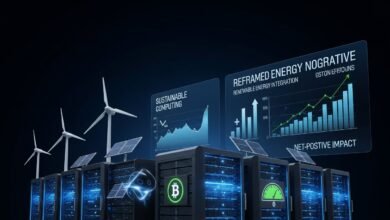
how Bitcoin mining is transforming renewable energy adoption and sustainability while reshaping the global energy landscape.

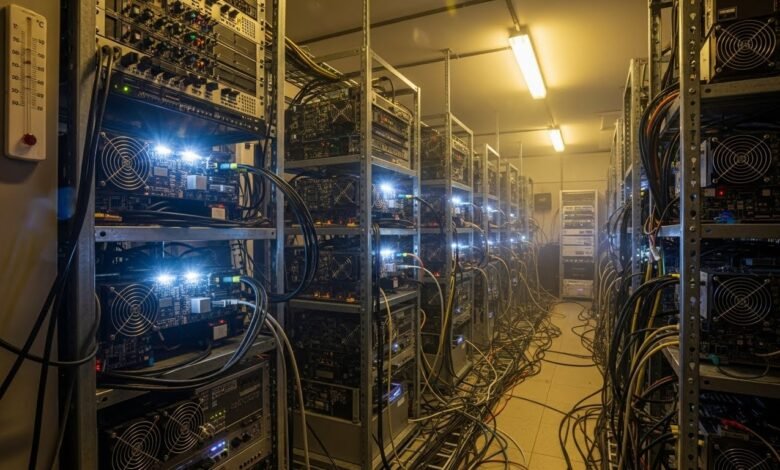
Bitcoin mining has long been portrayed as an energy-intensive activity that threatens environmental stability. Headlines often focus on electricity consumption figures without fully examining how and where that energy is sourced. As the digital economy expands and climate concerns intensify, a more nuanced understanding of Bitcoin mining sustainability is emerging. In reality, Bitcoin mining is increasingly becoming a catalyst for renewable energy development, grid efficiency, and innovative approaches to energy utilization.
At its core, Bitcoin mining is a competitive computational process that secures the Bitcoin network and validates transactions. This process requires significant power, but it also introduces a unique demand profile that can be highly flexible and location-independent. Unlike traditional industries, Bitcoin mining operations can be placed near stranded or underutilized energy sources, making them uniquely compatible with renewable power generation. As the industry matures, Bitcoin mining and renewable energy are becoming deeply interconnected, creating opportunities to accelerate the global energy transition.
Bitcoin mining is evolving into a force for renewable energy and sustainability. It examines the mechanics of mining, its relationship with clean energy, its role in grid stabilization, and its broader environmental and economic implications. By analyzing these dimensions in detail, it becomes clear that Bitcoin mining is not merely a consumer of energy but a potential driver of a more resilient and sustainable energy ecosystem.
Understanding Bitcoin Mining and Energy Consumption
Bitcoin mining is the process by which new bitcoins are created and transactions are verified on the blockchain. Miners use specialized hardware to solve cryptographic puzzles, and the first to find a valid solution earns a block reward. This proof-of-work mechanism ensures network security but requires continuous energy input.
The energy consumption of Bitcoin mining is often compared to that of small countries, which can sound alarming without context. What matters more than total consumption, however, is the energy mix used to power mining operations. Energy-intensive industries such as aluminum smelting or data centers also consume vast amounts of electricity, yet their environmental impact depends largely on whether that electricity comes from fossil fuels or renewable sources.
Bitcoin mining differs from many traditional industries because it does not require proximity to population centers or supply chains. This flexibility allows miners to seek out the lowest-cost energy available, which increasingly comes from renewable sources such as hydropower, wind, solar, and geothermal energy. As renewable technologies become cheaper and more abundant, Bitcoin mining naturally gravitates toward them.
Why Bitcoin Mining Aligns with Renewable Energy
Renewable energy sources often face a fundamental challenge: intermittency. Solar panels generate power only during daylight hours, and wind turbines depend on weather conditions. This variability can lead to excess energy production during off-peak times, which is frequently wasted due to limited storage capacity or transmission constraints.
Bitcoin mining provides a solution to this problem by acting as a flexible and interruptible load. Mining operations can scale their activity up or down almost instantly in response to energy availability. When renewable generation exceeds local demand, miners can absorb the surplus, improving the economics of renewable projects. When demand spikes elsewhere, miners can power down, freeing electricity for essential uses.
This unique compatibility has made renewable-powered Bitcoin mining increasingly attractive to energy producers. By monetizing excess energy that would otherwise be curtailed, Bitcoin mining helps stabilize revenue streams for renewable projects and encourages further investment in clean energy infrastructure.
Bitcoin Mining and Hydropower Utilization
Hydropower has been one of the earliest renewable energy sources adopted by Bitcoin miners. Regions with abundant rivers and hydroelectric capacity often produce more electricity than local populations can consume, particularly during rainy seasons. This surplus energy traditionally goes unused due to transmission limitations.
Bitcoin mining operations located near hydroelectric plants can convert this excess electricity into economic value. By doing so, they reduce waste and improve the overall efficiency of hydropower systems. In many cases, mining revenue helps finance the maintenance and expansion of hydroelectric infrastructure, strengthening local energy resilience.
The relationship between Bitcoin mining and hydropower highlights how clean energy Bitcoin mining can support existing renewable assets rather than compete with other electricity consumers.
The Role of Wind and Solar Energy in Bitcoin Mining
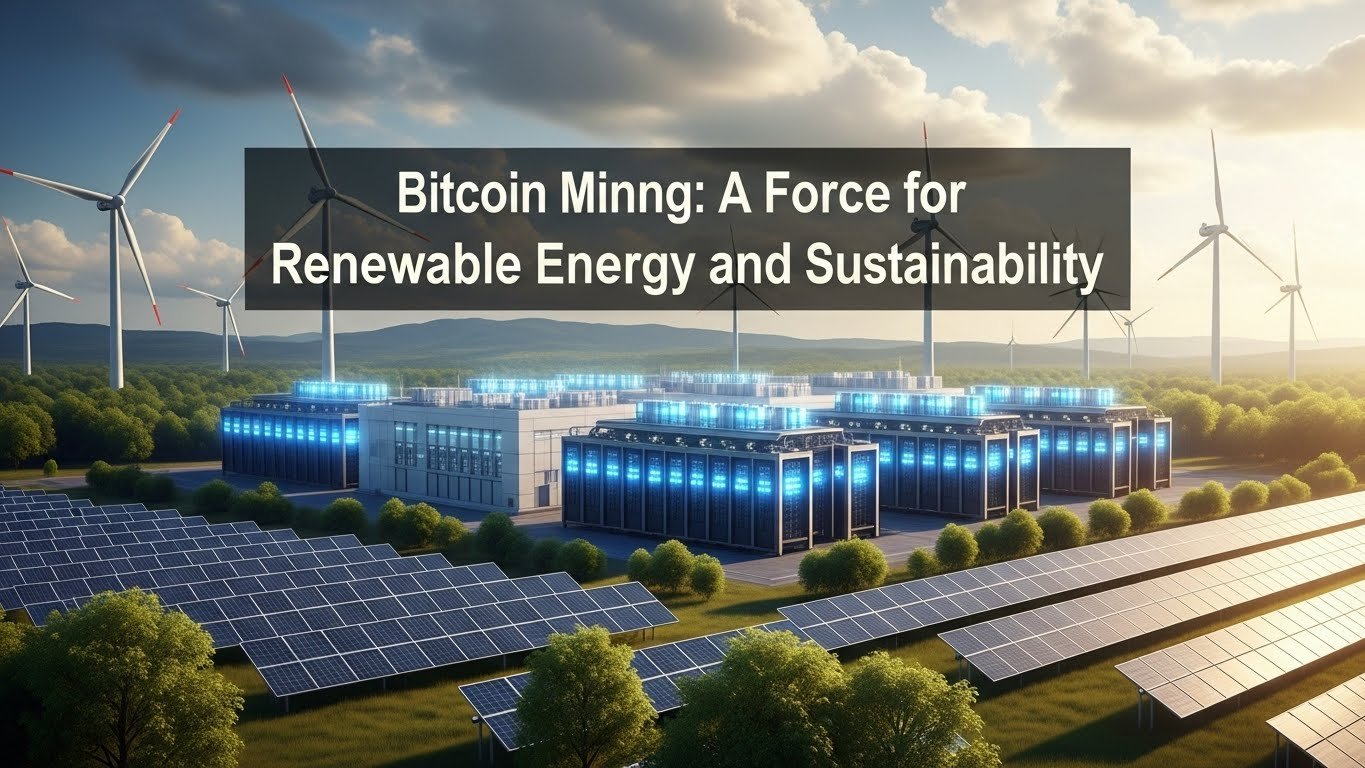
Wind and solar energy are among the fastest-growing renewable sources worldwide, yet both face challenges related to variability and storage. Bitcoin mining offers a practical use case for managing these fluctuations. Solar farms often produce peak energy during midday when electricity demand may be lower. Instead of curtailing production, operators can supply power to nearby Bitcoin mining facilities. Similarly, wind farms frequently generate electricity at night when demand drops. Bitcoin miners can operate during these periods, turning otherwise wasted energy into productive output.
As battery storage technology improves, the integration of Bitcoin mining with wind and solar systems becomes even more efficient. Miners can operate alongside storage solutions, further smoothing energy supply and demand while supporting sustainable blockchain technology.
Bitcoin Mining as a Tool for Grid Stabilization
Electric grids must constantly balance supply and demand to function reliably. Sudden changes in consumption or generation can destabilize the system, leading to outages or inefficiencies. Bitcoin mining can contribute to grid stability by acting as a controllable load.
Mining facilities can quickly shut down during periods of high demand, such as heatwaves or cold snaps, reducing strain on the grid. During periods of excess generation, they can resume operations, absorbing surplus electricity. This responsiveness makes Bitcoin mining a valuable partner for grid operators seeking to integrate higher levels of renewable energy.
In this context, energy-efficient Bitcoin mining is not just about reducing consumption but about using energy intelligently to support broader system reliability.
Reducing Methane Emissions Through Bitcoin Mining
Beyond renewable energy, Bitcoin mining is also being used to mitigate methane emissions from oil and gas operations. Methane is a potent greenhouse gas often released during flaring or venting processes. Instead of releasing methane into the atmosphere, operators can capture it and use it to generate electricity for Bitcoin mining.
This approach converts a harmful waste product into a productive energy source while reducing overall emissions. By monetizing captured methane, Bitcoin mining creates financial incentives for emission reduction initiatives that might otherwise be uneconomical.
Such applications demonstrate how Bitcoin mining environmental impact can be positive when innovative energy strategies are employed.
Technological Advances Improving Mining Efficiency
The sustainability of Bitcoin mining is also influenced by advances in hardware and software. Modern mining equipment is significantly more energy-efficient than earlier generations, delivering higher computational power per unit of electricity consumed.
In addition, improvements in cooling systems, facility design, and energy management software further reduce environmental impact. These innovations align with broader trends in data center efficiency and highlight the role of green crypto mining practices in shaping the industry’s future.
As competition intensifies, miners have strong incentives to adopt the most efficient technologies available, reinforcing the link between economic viability and sustainability.
Economic Benefits for Renewable Energy Communities
Bitcoin mining can bring economic opportunities to remote or underdeveloped regions rich in renewable resources. By establishing operations near energy sources, miners create jobs, infrastructure investment, and additional revenue for local communities.
These economic benefits can help justify the construction of renewable energy projects that might not be viable based solely on local demand. Over time, this dynamic supports rural development while contributing to national clean energy goals. The synergy between Bitcoin mining and renewable energy development illustrates how digital innovation can complement sustainable economic growth.
Addressing Environmental Criticisms of Bitcoin Mining
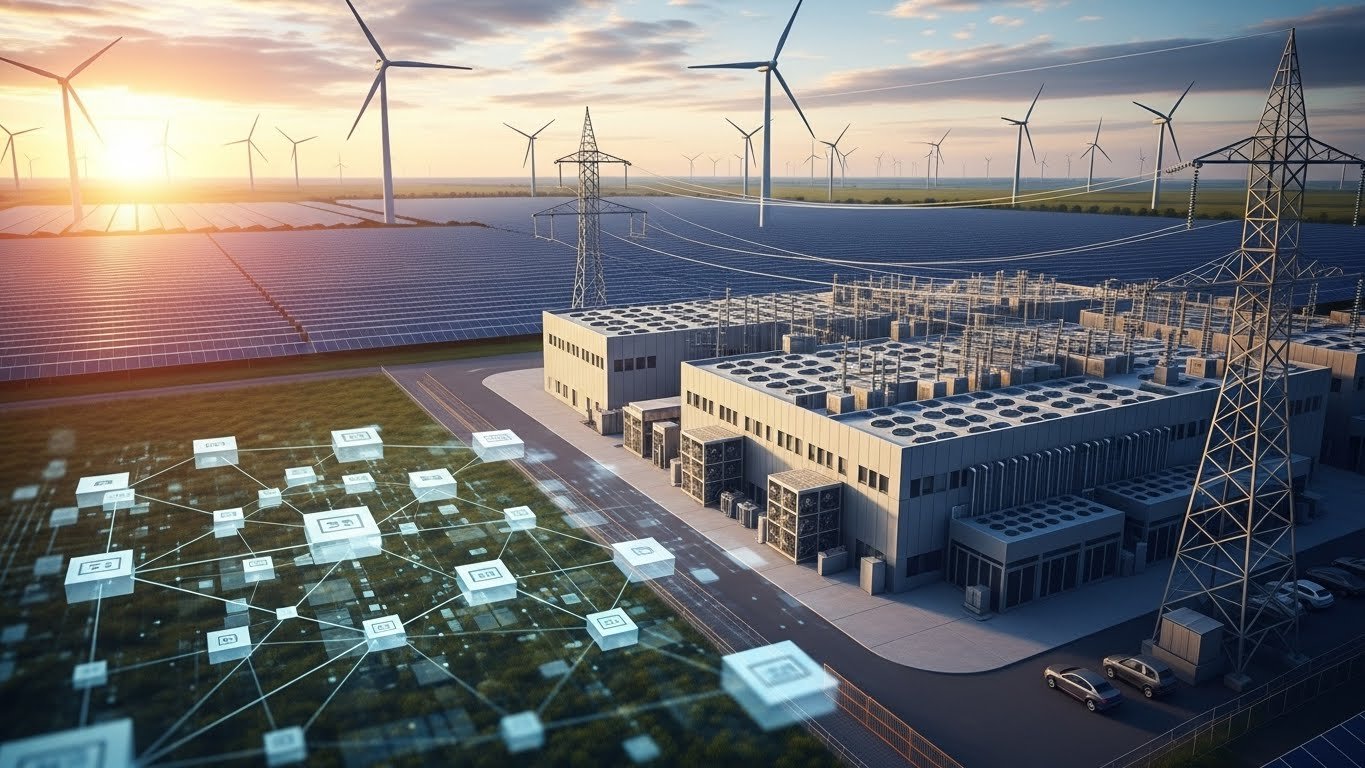
Despite its potential benefits, Bitcoin mining continues to face criticism from environmental advocates. Concerns often stem from outdated data or assumptions that all mining relies on fossil fuels. While challenges remain, the industry’s energy mix is steadily shifting toward renewables.
Transparency initiatives and independent research are helping provide a clearer picture of mining’s environmental footprint. As renewable adoption increases and efficiency improves, the narrative surrounding Bitcoin mining is evolving from one of excessive consumption to one of strategic energy use. Understanding these nuances is essential for informed discussions about Bitcoin mining and sustainability.
The Future of Bitcoin Mining and Sustainable Energy
Looking ahead, the relationship between Bitcoin mining and renewable energy is likely to deepen. As governments and corporations commit to decarbonization, demand for flexible energy consumers will grow. Bitcoin mining fits this role uniquely well.
Future mining operations may become integral components of renewable energy systems, operating in tandem with storage, smart grids, and demand-response programs. This integration positions Bitcoin mining as a potential ally in achieving global climate goals rather than an obstacle. The evolution of Bitcoin mining reflects broader shifts toward digitalization, decentralization, and sustainability in the global economy.
Conclusion
Bitcoin mining is undergoing a profound transformation. Once viewed primarily as an environmental liability, it is increasingly recognized as a tool for renewable energy adoption, grid optimization, and emissions reduction. By leveraging surplus energy, supporting renewable infrastructure, and driving technological innovation, Bitcoin mining demonstrates how digital systems can align with sustainability objectives.
The future of Bitcoin mining and renewable energy depends on continued innovation, transparency, and collaboration between miners, energy producers, and policymakers. When approached thoughtfully, Bitcoin mining has the potential to contribute meaningfully to a cleaner, more resilient energy landscape while maintaining the security and decentralization that define the Bitcoin network.
FAQs
Q: How does Bitcoin mining support renewable energy development?
Bitcoin mining supports renewable energy development by providing a consistent buyer for excess electricity generated by renewable sources. This additional demand improves project economics, reduces energy waste, and encourages further investment in clean power infrastructure.
Q: Is Bitcoin mining always environmentally friendly?
Bitcoin mining is not inherently environmentally friendly, but its impact depends on the energy sources used. When powered by renewable energy or waste energy such as captured methane, mining can significantly reduce emissions compared to fossil fuel-based alternatives.
Q: Can Bitcoin mining really help stabilize power grids?
Bitcoin mining can help stabilize power grids because it is highly flexible. Mining operations can quickly adjust energy consumption in response to grid conditions, absorbing excess supply or reducing load during peak demand periods.
Q: What role does technology play in sustainable Bitcoin mining?
Technology plays a crucial role by improving hardware efficiency, optimizing cooling systems, and enabling smarter energy management. These advancements reduce the energy required per unit of computation and support more sustainable mining practices.
Q: Will Bitcoin mining continue to grow alongside renewable energy?
Bitcoin mining is likely to continue growing alongside renewable energy as both sectors benefit from their synergy. As renewable energy becomes more widespread and cost-effective, Bitcoin mining will increasingly rely on clean power sources, reinforcing its role in a sustainable energy future.