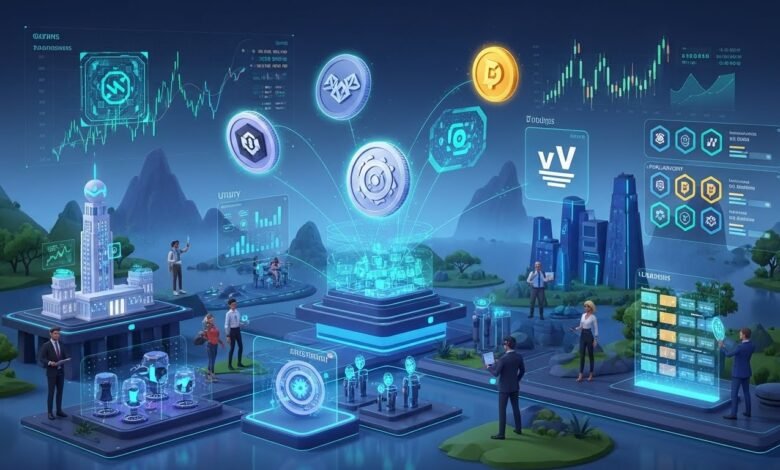
The rise of the metaverse has transformed how we interact with digital spaces, and with it comes a new class of investment opportunities: metaverse tokens. These tokens are not merely digital assets but gateways to unique experiences, governance rights, and reward systems within virtual worlds. Investors are increasingly exploring these tokens as a way to participate in the rapidly expanding digital economy while gaining exposure to innovative blockchain-based ecosystems.
Unlike traditional assets, metaverse tokens combine elements of utility, governance, and rewards, providing both functional use and potential financial growth. As virtual reality platforms, gaming worlds, and decentralized applications continue to flourish, understanding the different roles these tokens play is essential for both investors and enthusiasts looking to navigate this digital frontier.
This article delves deeply into the investment potential of metaverse tokens, exploring their utility, governance mechanisms, and reward structures, while offering insights into how they can complement a modern investment portfolio.
Understanding Metaverse Tokens: Beyond Digital Currency
Metaverse tokens are specialized digital assets that operate within virtual ecosystems, often built on blockchain networks. Unlike standard cryptocurrencies like Bitcoin or Ethereum, these tokens serve more than a medium of exchange. They are designed to provide functional value inside their respective platforms, allowing users to interact with the environment, purchase virtual goods, or participate in community-driven governance.
The concept of utility tokens in the metaverse is central to their investment potential. Utility tokens enable access to services, premium content, or virtual real estate, transforming them into digital tools rather than mere speculative assets. Investors are drawn to tokens that offer tangible benefits within a platform because this real-world utility often drives adoption and long-term value.
Additionally, many metaverse tokens integrate NFT ecosystems, allowing users to own unique digital assets that can appreciate over time. These non-fungible tokens, whether representing land, avatars, or exclusive collectibles, increase the demand for native metaverse tokens, thereby influencing their investment appeal.
Utility of Metaverse Tokens: Unlocking Digital Value
The utility of metaverse tokens is one of the primary factors that distinguish them from traditional cryptocurrencies. Utility encompasses all the ways a token can be used within a metaverse ecosystem, providing real functional value to its holders.
Virtual worlds such as blockchain-based gaming platforms allow users to use tokens for purchasing digital land, rare items, and exclusive experiences. This creates a direct link between token ownership and tangible digital benefits, which can enhance both user engagement and token demand.
Some metaverse tokens also enable access to specialized services, such as premium avatars, virtual events, or educational content. By holding these tokens, investors can participate in unique experiences that are not accessible through conventional means. This kind of utility makes the token more than a speculative asset—it becomes a gateway to active participation within a digital universe.
The growing interest in play-to-earn (P2E) ecosystems further highlights the utility of metaverse tokens. Gamers and creators can earn tokens through in-game achievements or contributions, creating a circular economy where tokens retain functional value while being traded or invested. Investors see this as a dual opportunity: tokens offer engagement benefits while potentially appreciating in value as demand within the ecosystem grows.
Governance in the Metaverse: Token Holders Have a Voice
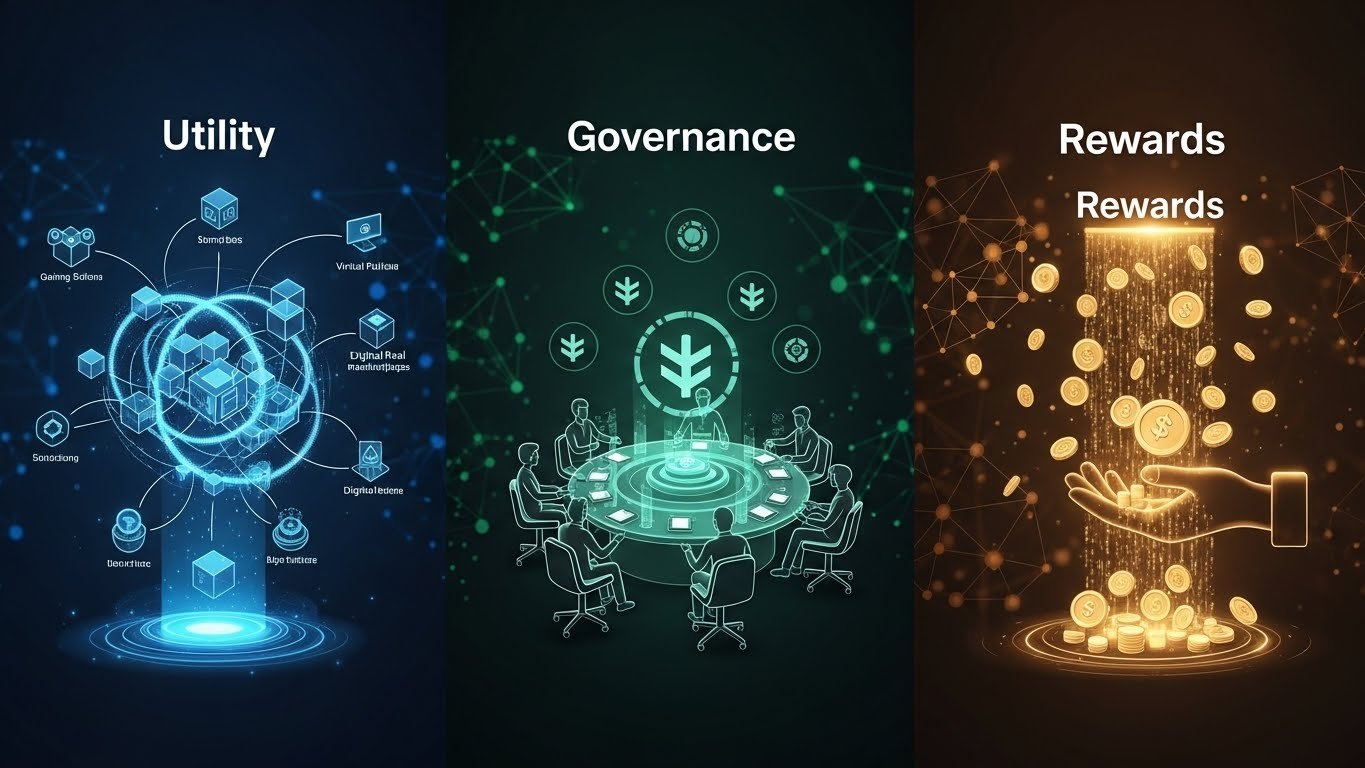
Governance is another critical dimension that makes metaverse tokens attractive as investment assets. Many metaverse platforms employ decentralized governance mechanisms, allowing token holders to vote on key decisions such as development priorities, content moderation, and economic policies.
By participating in governance, token holders can influence the direction of the virtual world they are invested in. This democratic approach to decision-making aligns the interests of the community with the growth and sustainability of the platform. Investors value governance tokens because they provide both a financial stake and a participatory role, offering a sense of control over their investments.
In practice, governance mechanisms can involve voting on proposals for upgrading features, allocating community funds, or modifying reward structures. This active involvement increases the intrinsic value of holding governance-enabled tokens, as decisions directly impact the ecosystem’s usability, adoption, and ultimately, the token’s market performance.
Platforms that combine governance with economic incentives tend to see higher engagement and stronger community loyalty. For investors, this integration means that holding tokens is not just about speculation; it is about being part of a growing, community-driven digital economy.
Reward Mechanisms: Incentivizing Participation
Reward systems are a fundamental aspect of metaverse tokenomics. Many metaverse platforms use tokens to incentivize specific behaviors, such as contributing content, participating in events, or holding assets for a longer period. These rewards can take the form of additional tokens, rare NFTs, or exclusive digital assets.
Incentivized ecosystems create a feedback loop where participation increases demand for tokens, which in turn strengthens their market value. For investors, this provides a unique opportunity to earn passive or active rewards while supporting the platform’s growth.
For example, staking mechanisms allow token holders to lock their tokens in exchange for periodic rewards, combining investment potential with platform participation. Similarly, play-to-earn games reward players with tokens for completing in-game tasks, creating a blended system of entertainment and investment. The combination of utility, governance, and rewards makes metaverse tokens highly versatile. Investors can leverage these mechanisms to diversify their portfolios, combining financial speculation with tangible engagement and influence within digital ecosystems.
Investment Considerations for Metaverse Tokens
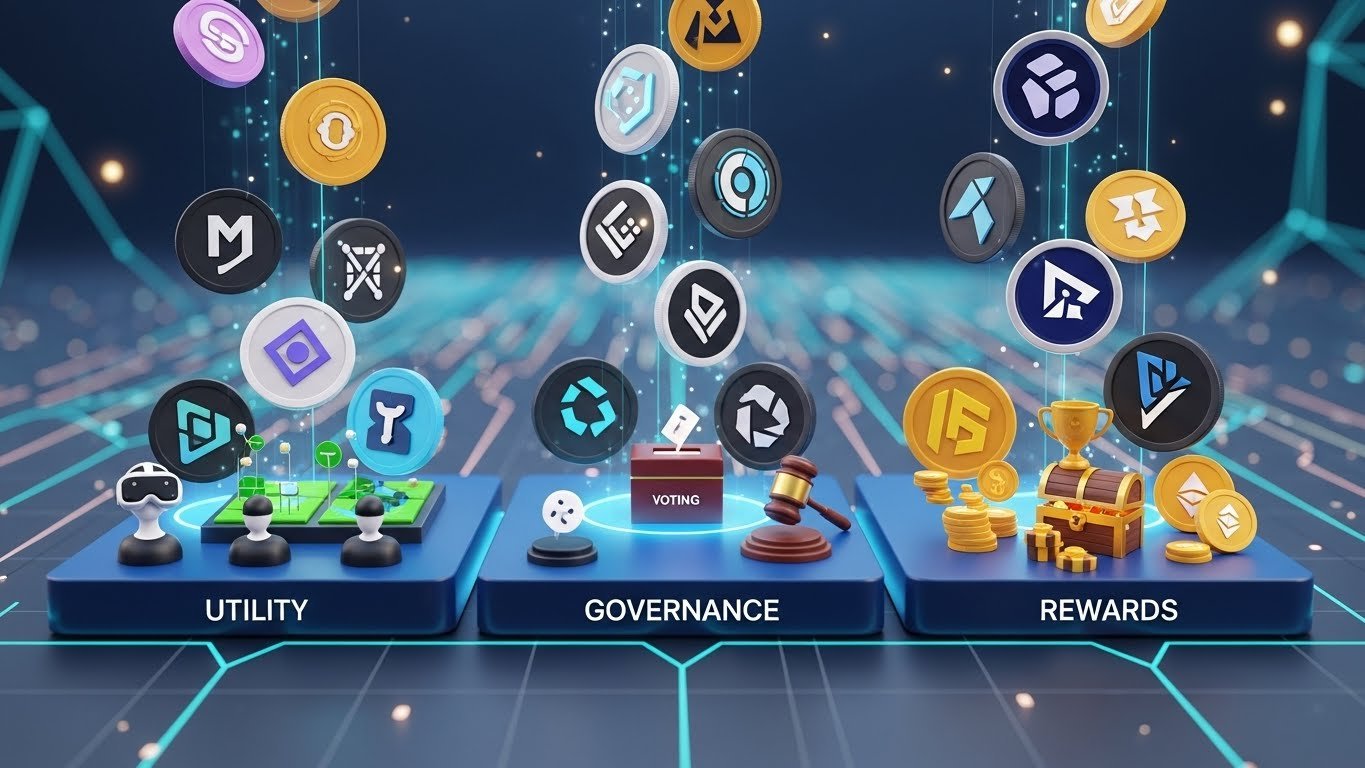
While the potential of metaverse tokens is significant, investors should approach this asset class with careful consideration. The value of a token is often tied to the success of its platform, community adoption, and the broader metaverse ecosystem. Understanding the underlying technology, tokenomics, and governance structures is critical for long-term investment decisions.
Token liquidity is another factor to consider. While some tokens are widely traded on cryptocurrency exchanges, others may have limited availability, which can affect market value and exit strategies. Assessing both short-term and long-term potential is essential, especially for tokens integrated with high-growth metaverse projects.
Regulatory considerations are also relevant, as metaverse tokens exist in a rapidly evolving legal landscape. Investors must stay informed about how governments and financial authorities classify these digital assets, particularly regarding taxation and securities regulations.
Diversification remains a prudent strategy. Just as with traditional investments, spreading capital across multiple tokens or ecosystems can reduce exposure to platform-specific risks while benefiting from the overall growth of the metaverse industry.
Future Trends in Metaverse Token Investments
The future of metaverse token investments is intertwined with the development of virtual reality, augmented reality, and blockchain technology. As metaverse platforms become more sophisticated, token demand is expected to grow, especially for assets with clear utility, governance rights, and reward potential.
Emerging trends include cross-platform interoperability, where tokens can be used across multiple virtual worlds, enhancing their value and appeal. Additionally, integration with real-world economies and partnerships with major brands could further solidify the role of metaverse tokens as viable investment assets.
Technological advancements such as improved blockchain scalability, enhanced NFT standards, and innovative tokenomics models will also influence investment strategies. Investors who understand these trends and select tokens with strong fundamentals are more likely to benefit from long-term growth.
Conclusion
Metaverse tokens represent a new frontier in digital investments, combining the power of utility, governance, and rewards to create versatile and engaging financial assets. These tokens offer more than speculative opportunities; they provide functional use within virtual worlds, the ability to participate in governance, and mechanisms to earn rewards.
Investors considering metaverse tokens should focus on the quality of the underlying platform, the token’s utility and governance model, and the sustainability of reward systems. With careful research and strategic allocation, metaverse tokens can play a valuable role in a diversified investment portfolio, offering both financial potential and immersive digital experiences. As the metaverse continues to evolve, tokens are likely to become increasingly integrated into the digital economy, transforming how we think about ownership, participation, and value in virtual spaces.
FAQs
Q: How do metaverse tokens derive their value and why are they considered viable investment assets?
Metaverse tokens derive their value from a combination of utility, governance, and reward mechanisms within their respective ecosystems. Utility provides functional benefits such as access to digital goods, experiences, or services, creating demand based on practical use. Governance allows token holders to influence platform decisions, aligning community incentives with long-term growth. Reward systems incentivize participation, often resulting in additional tokens or NFTs, which further enhances the token’s perceived value. Together, these factors make metaverse tokens attractive investment assets, as their worth is closely tied to the growth and engagement of the underlying digital platform.
Q: What role does governance play in increasing the investment potential of metaverse tokens?
Governance plays a crucial role by giving token holders the power to influence the development and management of metaverse platforms. Through voting and decision-making rights, investors can shape platform upgrades, content policies, and economic structures. This participatory aspect aligns the interests of the community with the platform’s success, which can positively impact token value. Tokens with governance capabilities are often seen as more valuable because they offer both financial benefits and a sense of control, making them appealing to investors who wish to actively contribute to the growth of a virtual ecosystem.
Q: How do reward mechanisms within metaverse ecosystems enhance token investment opportunities?
Reward mechanisms enhance investment opportunities by incentivizing users to engage with the platform, thereby increasing token demand and market activity. Staking programs, play-to-earn models, and contributions to platform development can yield additional tokens or exclusive digital assets. These rewards create a direct link between participation and financial gain, enabling investors to benefit both passively and actively. As a result, tokens that incorporate effective reward systems tend to attract more users, increase liquidity, and strengthen long-term value, making them appealing investment options.
Q: What are the primary risks associated with investing in metaverse tokens, and how can they be mitigated?
Primary risks include platform dependency, token liquidity limitations, market volatility, and regulatory uncertainty. The success of a metaverse token is often tied to the adoption and growth of its underlying platform, which can be unpredictable. Limited liquidity can make it difficult to sell tokens quickly, while market fluctuations may lead to value loss. Regulatory changes could also impact token legality or taxation. Mitigating these risks involves thorough research, diversifying across multiple tokens and platforms, and staying informed about regulatory developments. Understanding tokenomics and the ecosystem’s long-term viability is crucial for minimizing exposure.
Q: How are emerging trends in the metaverse expected to influence token investments in the future?
Emerging trends such as cross-platform interoperability, integration with real-world economies, and advanced blockchain technology are expected to enhance the appeal of metaverse tokens. Tokens usable across multiple virtual environments could see increased demand, while collaborations with major brands may bring additional legitimacy and value. Technological improvements in scalability and NFT standards will also improve token functionality and utility. Investors who identify tokens aligned with these trends may benefit from higher adoption rates, long-term growth, and stronger portfolio diversification, positioning metaverse tokens as key components of future digital investment strategies.