Meta weighs deep reductions to metaverse unit while sector’s crypto tokens collapse: report


The technology world is experiencing one of its most dramatic shifts in years as Meta weighs deep reductions to its metaverse unit at a time when the sector’s crypto tokens collapse, sending shockwaves through both the tech and blockchain ecosystems. The metaverse, once hailed as the next great frontier of digital innovation, is now facing a period of sharp reassessment. With major investments slowing and token values dropping, companies and investors are rethinking how much time, money, and trust they can place in virtual world development. Meta’s decision to consider major restructuring is more than a corporate move; it reflects an industry-wide reality that is reshaping the future of Web3, virtual assets, and immersive digital environments.
This unfolding shift is driven by declining market performance, reduced adoption rates, and a noticeable shift in investor sentiment. While the metaverse once enjoyed immense hype, many of its associated blockchain tokens have lost significant value, forcing organizations to reevaluate the sustainability of highly ambitious metaverse strategies. As Meta reassesses its approach, the entire sector is carefully watching, knowing that the company’s next steps may redefine the metaverse narrative for years to come.
Meta’s Strategic Shift and the Decline of Metaverse Confidence
Meta’s exploration of deep cuts to its metaverse unit has raised questions across the tech world. The company previously invested billions into metaverse research and development, aiming to create an interconnected virtual universe powered by virtual reality, augmented reality, and blockchain-based digital assets. However, as the sector’s crypto tokens collapse, Meta is reconsidering the scale at which it can continue pushing forward with such costly innovations.
The decline in confidence is tied to the broader downturn affecting digital assets. Tokens built to support metaverse platforms have seen steep drops in value, which weakens investor interest and reduces funding opportunities. This collapse not only affects token holders but also limits the development resources available to metaverse startups. As a result, Meta’s potential reductions are a reflection of an industry that is recalibrating expectations and aligning itself with new realities.
Why Meta Is Reassessing Its Metaverse Investments
Meta’s decision stems from financial pressures, market shifts, and changing consumer priorities. The enormous cost of building the metaverse infrastructure requires extensive funding, long-term research, and a supportive economic environment. When the crypto market was booming, these conditions seemed favorable. Now, with metaverse tokens losing value and blockchain projects struggling to secure new capital, the environment has changed drastically.
The company is also navigating internal pressures as shareholders push for more efficient spending. Leadership must consider how to balance ambitious innovation with sustainable financial management. The metaverse remains a long-term vision, but in the short term, Meta appears to be restructuring its approach to ensure operational stability.
Impact of Token Collapse on Corporate Strategy
The collapse of metaverse-related tokens has had a direct impact on businesses investing in digital worlds. Token prices are often indicators of community confidence and investor sentiment. When they fall sharply, it signals reduced belief in the project’s future potential. Meta’s reassessment is influenced by this market shift, as token instability makes it harder for the company to justify high-risk investments.
The broader blockchain sector is feeling similar pressure. Many projects that relied on token-based funding are now scaling back operations, merging with other companies, or shutting down. This domino effect impacts the entire digital ecosystem, including Meta’s ambitions within the immersive technology landscape.
Crypto Token Collapse and Its Effects on the Metaverse Vision
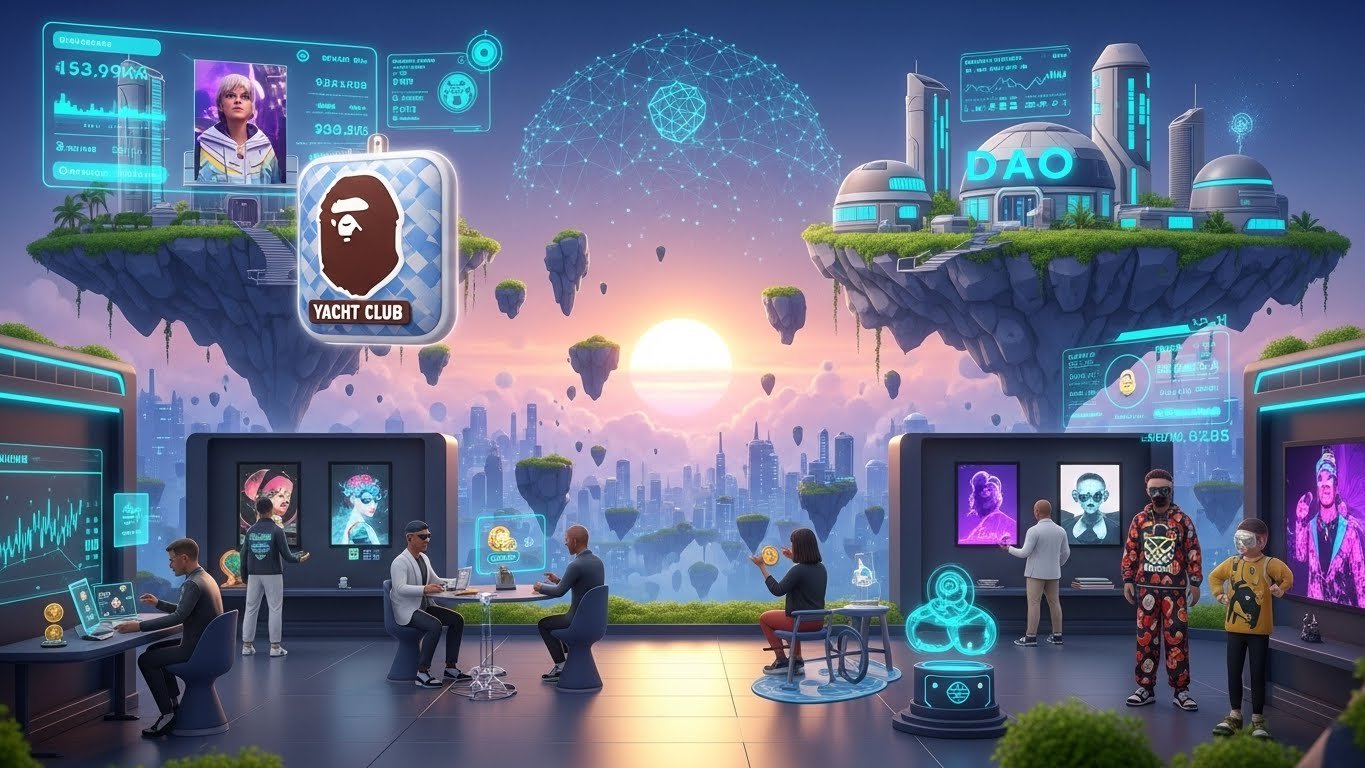
The collapse of metaverse-linked crypto tokens has reshaped public perception of the virtual world economy. During the peak of Web3 enthusiasm, the metaverse was promoted as a space where digital ownership, NFTs, virtual economies, and decentralized tokens would flourish. However, the sharp decline in token value has caused skepticism about whether such economies can sustain long-term growth.
The metaverse vision relies heavily on the ability of users to buy, sell, and trade digital assets. When tokens collapse, the economic foundation becomes unstable. This leads to reduced participation, lower transaction volume, and shrinking user communities, all of which hinder the future of virtual worlds.
How Token Instability Weakens Digital Ecosystems
Token instability affects every layer of metaverse development. For creators, it reduces opportunities to earn income from virtual goods and assets. For users, it undermines trust since digital items tied to token ecosystems lose financial value. For investors, it raises concerns about long-term sustainability and return on investment.
The collapse also impacts developers who rely on token-generated revenue to fund platform improvements. Without stable funding, progress slows, resulting in stalled innovation across the sector. As a result, major players like Meta must rethink their involvement and strategize new ways forward.
The Domino Effect Across Web3 and Virtual Worlds
The collapse of metaverse tokens has triggered a broader downward spiral affecting the entire Web3 industry. NFT marketplaces, decentralized gaming platforms, and blockchain-based virtual land projects have all experienced reduced activity. The once-booming digital land market has cooled dramatically as buyers hesitate to invest in assets tied to declining tokens.
This domino effect reduces enthusiasm and participation, making it even harder for companies to sustain momentum. As Meta weighs reductions, the industry is being forced to evaluate what aspects of the metaverse are still viable and what needs to be reimagined.
Meta’s Vision and the Future of Virtual Innovation
Despite the challenges, Meta has emphasized that the metaverse remains part of its long-term vision. The company still believes in the future of immersive digital environments but acknowledges that the journey may take longer and require more strategic planning than initially expected. Meta’s recalibration may lead to a more focused and practical approach instead of continuous large-scale expansion.
Meta’s long-term belief in virtual environments stems from the growing potential of augmented reality, virtual collaboration tools, and AI-driven virtual experiences. These areas remain promising even as token-based economies decline. By adjusting its metaverse strategy, Meta could prioritize technologies with immediate utility while maintaining its broader vision for the future.
A Shift Toward Efficiency and Practical Development
The company’s likely move to reassess its metaverse division is also symbolic of a broader industry shift toward practicality. Instead of chasing rapid expansion fueled by hype, companies are beginning to take more balanced approaches. Innovations that offer real value, improved user experience, and functional benefits are taking precedence over purely speculative ventures.
This shift could help the metaverse develop more sustainably in the long term. Companies will place greater emphasis on quality over quantity, ensuring that platforms evolve with stability, user trust, and meaningful applications.
Meta’s Potential New Direction for Virtual Products
Meta could choose to focus more on virtual reality products, workplace collaboration tools, and AI integrations rather than full-scale metaverse worlds. These areas have clear demand and can generate near-term revenue. The integration of AI into digital experiences helps support smarter, more intuitive virtual tools, creating a better foundation for the metaverse’s eventual expansion.
The shift also allows Meta to refine its research strategies, making future developments more efficient and impactful. As the technology continues to improve, the company may gradually reintroduce larger-scale metaverse initiatives when market conditions are more favorable.
Can the Metaverse Recover After the Token Collapse?

The question on everyone’s mind is whether the metaverse can recover after the collapse of its crypto tokens. While the downturn has created significant challenges, it does not mean the metaverse will disappear. Instead, the sector may evolve away from speculative tokenization and toward utility-based experiences. This evolution could create a more stable and sustainable version of the metaverse.
Recovery depends on several factors, including technological advancements, user adoption, corporate support, and regulatory clarity. If companies like Meta continue investing strategically and focus on long-term goals, the metaverse can still grow into a meaningful digital ecosystem.
Rebuilding Trust Through Utility and Innovation
Trust must be restored for the metaverse to recover, and this will only happen when platforms offer clear value. Users must feel confident that their digital assets and experiences are meaningful, secure, and worth engaging with. Innovation in virtual communication, digital identity, entertainment, and education may help drive renewed interest.
Utility-driven features such as virtual meetings, immersive training, and realistic VR applications may become the new backbone of metaverse development. These practical solutions can lead to greater adoption and create opportunities for future expansion once stability returns.
The Role of Corporate Leadership in Shaping the Future
Major companies play an important role in determining the direction of the metaverse. Meta’s decisions will influence how other corporations view the viability of virtual worlds. If Meta continues to emphasize innovation while maintaining financial responsibility, the industry may follow suit with more balanced approaches to growth. Corporate leadership also affects user confidence. Transparent communication about development goals, financial strategies, and platform improvements will be essential in rebuilding trust within the metaverse community.
Conclusion
The report that Meta weighs deep reductions to its metaverse unit while the sector’s crypto tokens collapse highlights a pivotal moment for the digital future. The metaverse, once at the peak of hype and excitement, is now undergoing a phase of reassessment and evolution. Meta’s strategic shift reflects broader market challenges and changing investor sentiment, signaling that the next era of virtual innovation will require more careful planning, practical development, and long-term commitment.
Despite the downturn, the metaverse still holds immense potential. As the industry moves away from speculative token economies and toward real-world utility, it may emerge stronger and more sustainable. Meta’s recalibration may become the blueprint for creating a more stable and meaningful virtual ecosystem. With technological advancements continuing and the demand for immersive digital experiences growing, the metaverse can still become a transformative force in the digital world.
FAQs
Q: Why is Meta reducing its metaverse unit?
Meta is reassessing its metaverse investment because of high development costs, market pressure, declining token values, and the need to prioritize more immediate revenue-generating technologies. The collapse of metaverse-linked crypto assets has made it difficult to justify large-scale spending, prompting Meta to consider a more measured and financially responsible approach.
Q: How does the crypto token collapse affect the metaverse?
The collapse affects virtual economies by undermining digital asset values, reducing user engagement, limiting developer funding, and weakening trust in blockchain-based virtual platforms. This decline impacts everything from virtual land sales to decentralized gaming, creating challenges for metaverse growth and investment stability.
Q: Can the metaverse still succeed after recent setbacks?
Yes, the metaverse can still succeed, but it may evolve differently than originally imagined. Future growth will likely focus on practical applications such as virtual training, digital workplaces, augmented reality tools, and realistic immersive experiences, rather than speculative token-based economies. With strategic planning, the metaverse can rebuild user trust and deliver long-term value.
Q: What role does Meta play in shaping the metaverse?
Meta plays a major role as one of the largest investors in virtual reality and immersive technology. Its decisions influence industry trends, investor confidence, and development strategies across the sector. Meta’s shift toward sustainable innovation may set a new standard for how companies approach large-scale digital world development.
Q: What needs to happen for metaverse tokens to recover?
Metaverse tokens may recover if platforms strengthen utility, improve user adoption, enhance security, and deliver real value beyond speculation. Clear regulatory guidance and corporate transparency will also help rebuild trust. As technology evolves and more practical applications are introduced, token ecosystems may gradually regain stability and investor interest.